Portion Control Tips: Master Eating Habits & Lose Weight
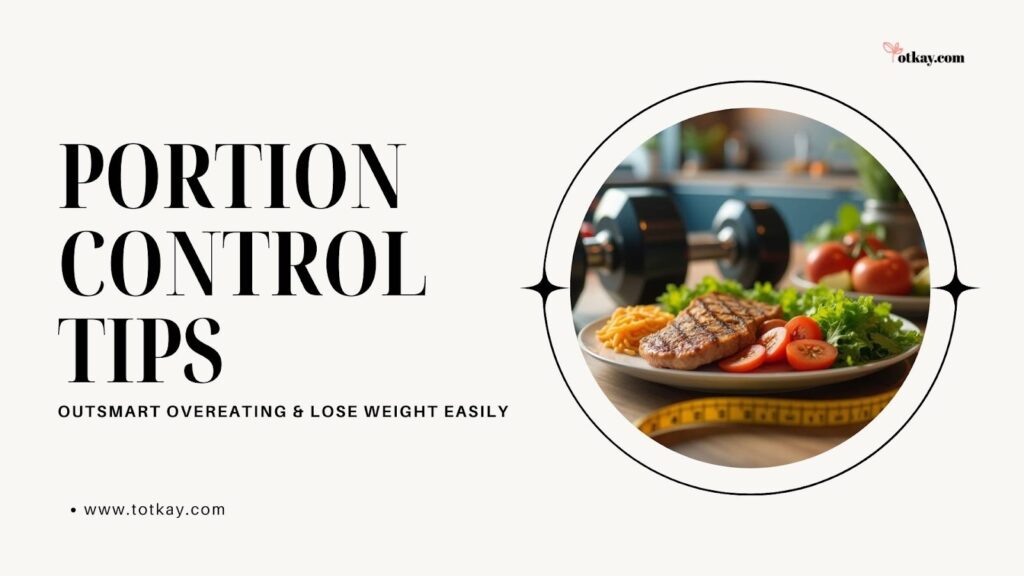
Struggling to lose weight by limiting yourself to tiny meals often leads to frustration and late-night cravings. This common problem, driven by hunger hormones, is why traditional dieting so often fails. The answer is not to eat less, but to eat smarter with effective portion control.
By focusing on “Nutrition by Addition,” you can enjoy large, satisfying plates filled with high-volume, low-calorie foods, all while keeping your calorie intake under control. Visual satiety plays a vital role when your eyes see a full plate; your brain is more likely to register satisfaction.
In this guide, discover clever tactics and science-backed habits that help you master portion control tips for lasting weight management, all without feelings of deprivation.
Portion vs. Serving: The Sneaky Label Game
Understanding the difference between a portion and a serving size is crucial for healthy eating. A portion is the amount of food you choose to eat in one sitting. A serving size is a standardized measurement listed on the nutrition facts label. Food manufacturers often use this to their advantage.
Have you ever looked at a small bag of chips or a single large cookie and assumed it was one serving? This is the “one-bag” trap. Many packaged foods contain two, three, or even more servings. This makes it easy to consume too many calories without realizing it. To avoid this, you must become a savvy reader of food labels.
When you check the nutritional information, focus on these three points:
- Servings Per Container: This is the most important number. It tells you how many standard servings are in the package.
- Calories: This number applies to one serving, not the entire package. You must multiply this by the number of servings you actually eat.
- Fiber Content: High-fiber foods help increase satiety and keep you feeling full longer, which is a powerful tool for practicing portion control.
The “Fullness-Hack” Comparison Table
Small changes in how you eat can have a big impact on your food intake. Let us look at common portion control challenges and the simple totkay actions that solve them.
| The Portion Challenge | The Totkay Action | Why It Works |
| Eating directly from a box or bag | The Small Bowl Rule | Creates a physical and visual “stop sign” for your brain, preventing mindless overeating. |
| Craving heavy starches like rice | The 50/50 Mix (e.g., half rice, half grated cauliflower) | Instantly lowers the calorie density of your meal by up to 40% while keeping the volume high. |
| Large restaurant portions | The “Box First” Strategy | Ask for a to-go box when you order and immediately put half your meal away. This removes the pressure to join the “Clean Plate Club.” |
| Eating too quickly | The “Fork Down” Ritual | Setting your fork down between bites gives your body the 20 minutes it needs for the fullness hormone, leptin, to signal your brain. |
| Confusing thirst with hunger | The Water Wall | Drinking a large glass of water (about 500ml) before a meal distends the stomach, triggering early satiety signals. |
10 Signature Totkay for Masterful Portioning
Mastering portion control does not require a food scale for every meal. These ten tips use visual cues and simple habits to help you regulate your food portions naturally.
The “Hand-Sign” Visualizer:
Use your hand as an on-the-go guide for appropriate portion sizes for different food groups.
- Palm: A palm-sized amount of lean protein (chicken, fish, tofu).
- First: A fist-sized serving of high-fiber vegetables.
- Cupped Hand: A cupped handful for starches and grains (rice, cooked pasta).
- Thumb Tip: A thumb-tip-sized portion for healthy fats (ghee, oil, nuts).
The “Blue Plate” Mystery:
Studies show that using plates that have a high color contrast with your food (like a blue plate for pasta) can help you serve yourself less. The food stands out more, making the portion appear larger.
The “Fiber-Maxxing” Secret:
Add “invisible” volume to your meals. Grate carrots into pasta sauce, mix spinach into your morning eggs, or add lentils to soup. This stretches the meal size without adding a significant number of calories.
The “Out of Sight” Serving Style:
Keep serving bowls and pans in the kitchen instead of on the dinner table. This simple barrier prevents the automatic habit of reaching for a second helping.
The “Pre-Meal Preload”:
Drink a large glass of water or a broth-based soup about 15 minutes before your main meal. This practice helps fill your stomach, making you feel satisfied with a smaller amount of food.
The 20-Minute Pause Ritual:
Your brain lags behind your stomach. Stop eating for two minutes halfway through your meal. This mindful pause gives your brain time to catch up and accurately assess your hunger level.
No-Distraction Dining:
Mindful eating is key. Watching TV or scrolling on your phone while you eat can lead to consuming significantly more food. Pay attention to your meal to better recognize when you are full.
The “Teaspoon” Dessert Hack:
Use smaller utensils, especially for treats. A smaller spoon increases the “bite count,” tricking your brain into believing the dessert lasted longer and was more satisfying.
Snacking in “Ramekins”:
Never eat snacks directly from the bag. Always pre-portion your snacks into a small bowl or ramekin. This defines a single serving and prevents mindless overeating.
The Restaurant “Starter” Strategy:
A standard restaurant portion can be massive. Instead of ordering one large entree, consider ordering two appetizers. This allows for more variety in your meal and better control over your total food intake.
Mindful Eating & Your Weight Management Journey
Portion control is not just about physical measurements; it is about listening to your body.
- The Hunger Scale: Learn to rate your hunger on a scale of 1 to 10, where 1 is starving and 10 is painfully stuffed. Aim to stop eating when you reach a “7” satisfied and no longer hungry, but not full.
- Emotional vs. Physical Hunger: Before you eat, try the “Apple Test.” Ask yourself: “Am I hungry enough to eat an apple?” If the answer is yes, you are likely experiencing physical hunger. If you are only craving a specific food like cookies or chips, it may be emotional hunger.
For anyone with a history of eating disorders or specific medical conditions, it is always best to consult a Registered Dietitian. They can provide personalized advice for your healthy weight journey. Remember, portion control is a skill you develop over time, not a life sentence of restriction.
Conclusion: Your 7-Day Portion Audit
Ready to start? Do not try to change everything at once. Begin your journey by focusing on just one meal a day and practicing portion control tips. For the next seven days, pick either lunch or dinner and apply one of the tactics from this guide. This small step can lead to big results in your long-term health and weight management.
Which meal is your biggest “overeating” struggle, Lunch or Dinner? Comment below, and we will send you a custom Totkay to fix it.
Frequently Asked Questions (FAQs)
What is portion control, and why is it important?
Portion control is managing the amount of food you eat in one sitting. It helps prevent overeating, supports weight management, and ensures balanced nutrition.
How can I practice portion control without feeling hungry?
Focus on high-volume, low-calorie foods like vegetables, drink water before meals, and eat slowly to allow your brain to register fullness.
What are some easy portion control tips for weight loss?
Use smaller plates, pre-portion snacks, follow the “hand-sign” guide for food groups, and avoid eating directly from large packages.
How do I know the right portion sizes for different food groups?
Use visual cues: a palm for protein, a fist for vegetables, a cupped hand for grains, and a thumb tip for healthy fats.
Can portion control help with weight management?
Yes, portion control reduces calorie intake while maintaining balanced nutrition, making it an effective strategy for achieving and maintaining a healthy weight.