Piles Diet Plan: Best Foods for Fast Relief
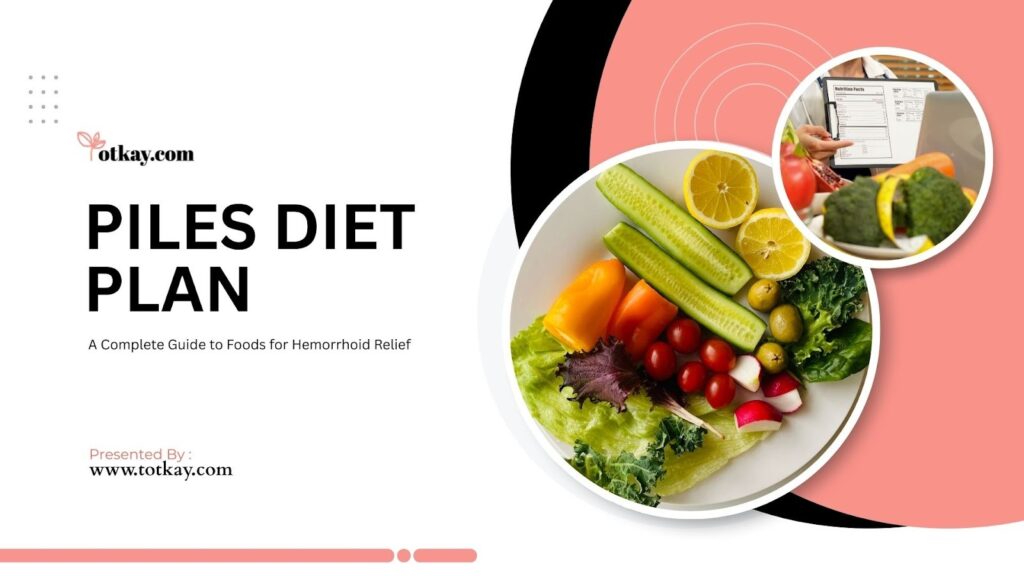
Tired of the discomfort, pain, and itching from piles? It’s a frustrating problem, and it often stems from something as simple as chronic constipation putting pressure where you least need it. But here’s the good news: I understand what you’re going through, and a solution is closer than you think. It all starts with what’s on your plate.
Following a proper piles diet plan can significantly reduce symptoms and improve digestive health. A diet rich in high-fiber fruits, adequate hydration, and stool-softening foods helps prevent constipation and supports smoother bowel movements. These dietary choices are not optional extras — they are foundational to managing piles effectively.
When the body lacks sufficient water, stools harden, and straining during bowel movements increases. This cycle worsens the symptoms of piles over time and delays recovery.
In this guide, I will explore the best foods for patients with piles, the importance of hydration, and a simple diet plan that supports healthy digestion and reduces discomfort. By the end of this article, you will have a clear, practical framework to manage piles through informed food choices.
The Role of Diet in Managing Piles
Diet plays a critical role in managing piles because digestion directly affects bowel movements. When stools become hard due to low fiber intake or dehydration, it increases pressure on the rectal veins and worsens the symptoms.
A balanced piles diet plan that includes high fiber fruits, whole grains, and proper hydration for digestion helps soften stools and prevents straining during bowel movements. Every food choice you make either supports or undermines this process.
What specific benefits does the right diet offer? Here are the key advantages:
A well-structured diet addresses the root cause of piles, not just the symptoms. Consider these benefits:
- Improved digestion: Fiber-rich foods accelerate the movement of waste through the intestines.
- Prevention of constipation: Adequate fiber and water intake keep stools soft and easy to pass.
- Reduced strain during bowel movements: Softer stools eliminate the need for excessive pressure on the rectal veins.
- Improved gut health: A diverse, plant-based diet supports a healthy microbiome, which directly benefits digestive function.
Best Foods to Include in a Piles Diet Plan
Choosing the right foods is essential for improving digestion and preventing constipation. Fiber-rich foods help regulate bowel movements and support overall digestive health.
The following foods are especially beneficial for patients with piles.
High Fiber Fruits for Better Digestion
Which fruits actually make a difference for piles patients? The answer lies in their soluble fiber content. These fruits work with the body to slow digestion, absorb water, and produce softer stools.
Common high fiber fruits recommended for patients with piles include:
- Apples: Rich in pectin, a soluble fiber that regulates bowel movements.
- Pears: One of the highest fiber fruits available, ideal for daily consumption.
- Bananas: Gentle on the digestive tract and helpful in binding loose stools.
- Papaya: Contains papain, an enzyme that aids protein digestion and promotes regularity.
- Raspberries: Exceptionally high in fiber, making them a powerful addition to any meal.
- Prunes: A natural laxative rich in sorbitol, which draws water into the intestines to soften stools.
These fruits contain soluble fiber that improves bowel movement and helps prevent constipation.
Vegetables That Help Prevent Constipation
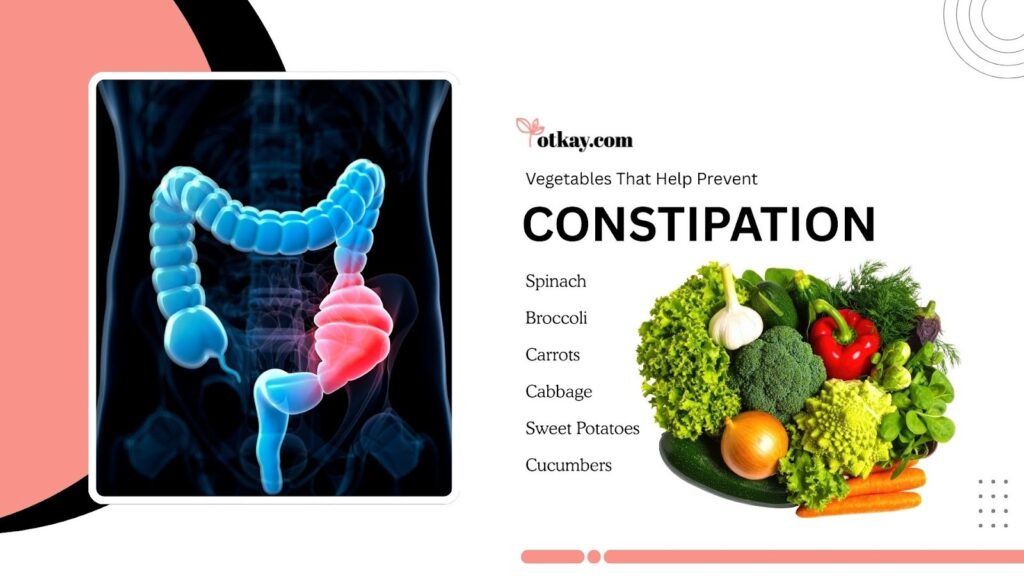
What makes vegetables so effective for digestive health? They combine fiber, water content, and essential micronutrients that collectively support the gut. Regular intake keeps the intestinal walls healthy and ensures consistent bowel activity.
Recommended vegetables include:
- Spinach: This leafy green is high in magnesium, which helps relax the intestinal muscles for smoother bowel movements.
- Broccoli: A cruciferous powerhouse, broccoli delivers significant fiber content and compounds that support a healthy gut.
- Carrots: Rich in both soluble and insoluble fiber, carrots play a key role in supporting comprehensive digestive function.
- Cabbage: This versatile vegetable helps promote healthy gut bacteria and can reduce intestinal inflammation, aiding digestion.
- Sweet potatoes: Packed with resistant starch and fiber, sweet potatoes nourish beneficial gut bacteria and support regularity.
- Cucumbers: With their high water content, cucumbers contribute to overall hydration, which is essential for softening stools.
Eating these vegetables regularly not only boosts your gut health but also plays a crucial role in preventing constipation. Keep your digestive system happy and balanced with these natural powerhouses.
Whole Grains Intake for Healthy Digestion
Are refined grains secretly worsening your piles symptoms? For many patients, the answer is yes. Refined grains strip away the bran and germ, removing the very fiber that supports healthy digestion.
Healthy whole grain options include:
- Oats: Start your day with oatmeal. It contains beta-glucan, a type of fiber that forms a gel in your gut, helping to soften stool and make it easier to pass.
- Brown rice: Swap white rice for brown rice. Its natural fiber content aids digestion and adds bulk to your stool, promoting regularity.
- Whole wheat bread: Choose whole wheat bread over white bread. This simple switch boosts your daily fiber intake, which is essential for preventing constipation.
- Barley: Add barley to soups and stews. It’s packed with dietary fiber that helps keep your digestive system moving smoothly.
- Quinoa: Incorporate quinoa into your meals. This complete protein is also a great source of fiber, supporting overall gut health and easy bowel movements.
Replacing refined grains with whole grains helps improve digestion and reduce constipation. This single dietary change can produce noticeable improvements within days.
Best Foods for Piles Patients
Below is a quick reference table that highlights the most helpful foods for a Piles Diet Plan and how they support digestion.
| Food Category | Examples | Benefits for Piles |
|---|---|---|
| High fiber fruits | Apples, pears, papaya, prunes | Improve digestion and soften stools |
| Vegetables | Spinach, broccoli, carrots | Increase fiber intake and support bowel movement |
| Whole grains | Oats, brown rice, whole wheat | Promote smooth digestion and prevent constipation |
| Legumes | Lentils, beans, chickpeas | High fiber content supports gut health |
| Seeds | Flax seeds, chia seeds | Improve stool consistency |
By incorporating these foods into your daily meals, you can build the foundation for a healthy piles diet plan. Think of it as a simple, natural way to manage your symptoms and improve your digestive health. Prioritize these items on your next grocery trip to take the first step toward relief.
Drink More Water to Relieve Piles
Is drinking more water really that important for piles? Absolutely. Without adequate fluid intake, even a high-fiber diet can become counterproductive — fiber absorbs water to soften stools, and without sufficient hydration, it can have the opposite effect.
Hydration helps fiber move through the digestive system more effectively and prevents stools from becoming hard. Proper fluid intake reduces rectal pressure and supports consistent, pain-free bowel movements.
Healthy hydration options include:
- 8–10 glasses of water daily: The baseline requirement for most adults to maintain digestive health.
- Coconut water: A natural electrolyte-rich beverage that supports gut function.
- Herbal teas: Chamomile and ginger teas have mild anti-inflammatory properties that soothe the digestive tract.
- Fresh fruit juices: Provide both hydration and natural fiber, particularly when unfiltered.
- Vegetable soups: Combine hydration with essential nutrients for a gut-supportive meal.
To improve your digestive comfort, make sure you’re getting enough hydration throughout the day. Combining this with a diet rich in fiber will make a significant difference.
Stool Softening Foods That Help Piles

What foods can naturally ease the discomfort of piles without medication? Several everyday ingredients have a measurable softening effect on stools. Incorporating them consistently into meals reduces the strain that aggravates hemorrhoidal tissue.
Common stool softening foods include:
- Bananas: Regulate bowel movements without causing excessive looseness.
- Prunes: Act as a natural stool softener through sorbitol and fiber content.
- Soaked figs: Release a mucilaginous substance when soaked overnight that lubricates the intestinal lining.
- Yogurt: Provides probiotics that improve gut flora balance and stool consistency.
- Papaya: Enzymes in papaya break down food more efficiently and reduce digestive sluggishness.
- Oatmeal: Its soluble fiber absorbs water and creates a smooth, easy-to-pass stool texture.
Adding these stool softening foods to your daily diet can help improve bowel movements and reduce piles discomfort.
Sample Daily Piles Diet Plan
Here is a sample meal plan to help you get enough fiber and balanced nutrition. Feel free to use it as a starting point and adjust the portion sizes to fit your needs.
Morning (Empty Stomach)
- Warm water with lemon
- 2 soaked figs or prunes
Breakfast
- Oatmeal topped with fresh fruit (berries, banana, or papaya)
- Whole wheat toast
- Yogurt or boiled eggs
Lunch
- Brown rice or whole wheat roti
- Lentil soup (dal)
- Vegetable curry
- Fresh salad with cucumbers and carrots
Evening Snack
- Fruit bowl or blended smoothie with flaxseeds
- Handful of mixed nuts or chia seeds
Dinner
- Vegetable soup
- Whole-grain chapati
- Steamed vegetables (broccoli, spinach, or sweet potato)
This plan integrates fiber, hydration, and essential nutrients across every meal. Following it consistently supports the effectiveness of any piles diet plan.
Foods to Avoid in Piles
Which foods make piles worse? Understanding what to remove from the diet is just as important as knowing what to add. Certain foods slow digestion, harden stools, and irritate the digestive tract — all of which aggravate hemorrhoids.
| Food Type | Examples | Why to Avoid |
| Processed foods | Chips, packaged snacks | Low fiber and difficult to digest |
| Spicy foods | Hot sauces, spicy curries | May irritate the digestive tract |
| Refined grains | White bread, white rice | Low fiber content |
| Fried foods | Fast food, deep-fried items | Slow digestion can cause constipation |
| Alcohol | Beer, liquor | Dehydrates the body and worsens digestion |
Avoiding these foods helps maintain healthy digestion and reduces piles flare-ups. Small, consistent changes to daily food choices produce lasting results.
More Than Just Diet: Lifestyle Changes to Manage Piles
Diet alone addresses only part of the problem. Certain lifestyle habits directly influence how effectively your body processes food and manages bowel movements. Do your daily habits support your digestive health?
Helpful habits include:
- Exercising regularly: Physical activity stimulates intestinal contractions, promoting regular bowel movements.
- Avoiding prolonged sitting: Extended periods of sitting increase pressure on the rectal veins, worsening piles.
- Not delaying bowel movements: Responding promptly to the urge to defecate prevents stools from hardening.
- Eating meals at consistent times: A regular eating schedule trains the digestive system to function predictably.
- Chewing food properly: Thorough chewing breaks down food more efficiently, reducing the workload on the intestines.
These simple changes support the effectiveness of a constipation prevention diet and accelerate recovery.
Take Control of Your Digestive Health
Managing piles effectively requires a combination of proper nutrition, hydration, and healthy lifestyle habits. A well-balanced piles diet plan that includes high fiber fruits, vegetables, whole grains, and stool softening foods can significantly reduce constipation and improve digestive comfort.
By maintaining proper hydration for digestion and avoiding foods that trigger digestive problems, piles patients can support healthier bowel movements and prevent symptoms from worsening. The path forward is clear — consistent dietary choices, adequate fluid intake, and mindful daily habits.
Ready to take the next step towards lasting relief? Start by incorporating one or two changes from this guide. For more simple, natural remedies and expert articles on managing piles, visit totkay.com. Small, consistent changes are the key to lasting improvement.
Frequently Asked Questions
What is the best diet for patients with piles?
The best diet for patients with piles is one that is high in fiber, rich in fruits and vegetables, includes whole grains, and maintains adequate hydration. This combination softens stools and reduces strain during bowel movements.
Which fruits help reduce piles symptoms?
Apples, pears, bananas, papaya, prunes, and raspberries are among the most effective fruits for piles patients. They contain soluble fiber and natural compounds that improve bowel regularity and soften stools.
Are dairy products good for piles patients?
Some dairy products, like yogurt, can help piles patients because they contain probiotics that support gut health. However, excessive cheese or processed dairy may slow digestion in some people.
How does fiber help with piles?
Fiber absorbs water in the digestive tract, creating softer, bulkier stools that pass more easily. This reduces the straining and pressure on the rectal veins that cause and worsen piles.
How much water should patients with piles drink daily?
Piles patients should aim to drink 8–10 glasses of water per day. Adequate hydration ensures that dietary fiber functions properly and keeps stools soft and easy to pass.

Hi, I’m a dedicated writer at Totkay.com, passionate about sharing practical tips and solutions to make your life easier. Explore my articles for helpful insights and valuable advice. Stay connected for more expert content!