Natural Appetite Suppressants: 7 Safe Ways to Stop Hunger

Picture this: it’s 3 p.m., and the snack cravings hit hard. You’re not truly hungry, but the urge to raid the pantry feels overwhelming. What if you could manage those cravings without resorting to stimulants or harsh chemicals?
If you feel like you’re constantly fighting a battle against your own appetite, you’re not alone. But gaining control starts with understanding how your body signals hunger. This guide will explore how natural appetite suppressants work, helping you navigate your cravings and achieve your health goals safely.
Hunger and appetite are not the same thing. Hunger is a physiological need for energy, driven by your body’s survival mechanisms. Appetite is the desire to eat, often triggered by emotions, smells, or boredom. Understanding this distinction is crucial for weight management.
How Natural Appetite Suppressants Work (Mechanisms of Action)
You might wonder how simple foods or lifestyle changes can actually stop hunger pangs. These natural options work by interacting with your biology in specific, measurable ways to reduce the urge to eat.
Slowing Digestion for Prolonged Fullness:
When you consume foods that take longer to break down, they stay in your stomach for an extended period. This physical fullness sends a continuous signal to your brain that you do not need more food yet. Fiber and protein are excellent examples of nutrients that delay gastric emptying.
Influencing Hunger Hormones:
Certain foods directly impact the production of ghrelin and leptin. By eating specific nutrients, you can lower ghrelin levels and increase the production of peptide YY and GLP-1. These are powerful hormones that tell your brain you have had enough to eat.
Stabilizing Blood Sugar Levels
Rapid spikes and drops in blood sugar are a primary cause of sudden, intense cravings. Natural suppressants help regulate insulin release and glucose absorption. This stability prevents the energy crashes that usually send you running to the pantry for sugary snacks.
Targeting Neurotransmitters
Some plant compounds affect the chemical messengers in your brain related to reward and satisfaction. By satisfying these neural pathways naturally, you reduce the psychological desire to eat for pleasure rather than for fuel.
Best Natural Appetite Suppressants
Many options claim to stop hunger, but only a few have the scientific backing to prove they work effectively and safely. We have ranked these based on their accessibility, safety profile, and ability to keep you satisfied.
High-Fiber Foods
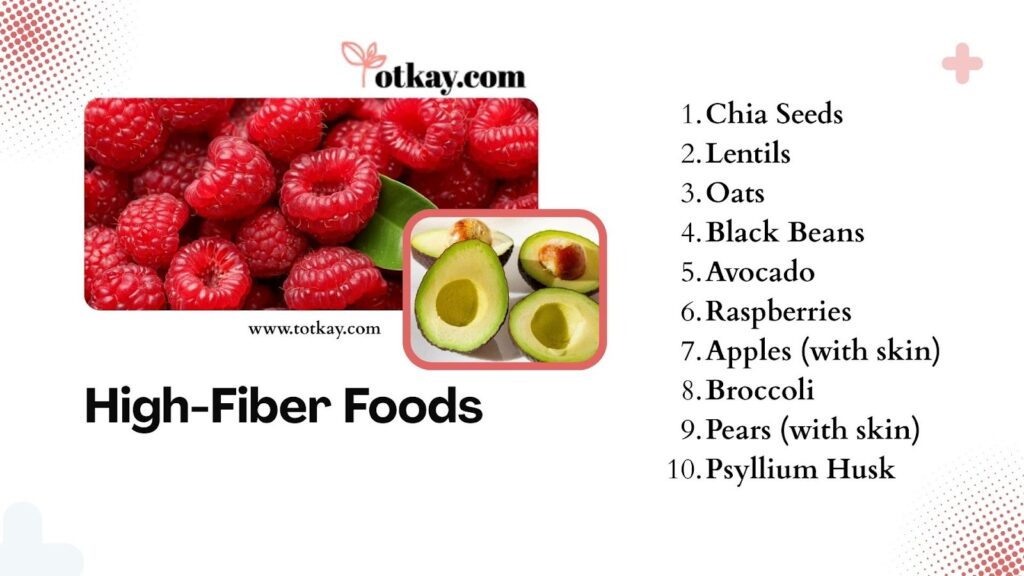
Fiber is the indigestible part of plant foods that absorbs water and expands in your stomach. It is one of the most effective tools for physically filling your digestive tract without adding excess calories.
How it works
- Soluble fiber mixes with water to form a gel-like substance.
- This gel slows down the movement of food through your gut, which keeps you feeling full for hours after a meal.
- It also blunts the insulin response, preventing sugar crashes.
How to use it
Incorporate oats, chia seeds, lentils, apples, and fibrous vegetables into every meal. Aim to increase your intake gradually to let your digestive system adjust. Drinking plenty of water is essential when increasing fiber.
Lean Proteins
Protein is the most satiating macronutrient available. Your body uses more energy to digest protein than it does for carbohydrates or fats, a process known as the thermic effect of food.
- How it works
Consuming protein significantly increases levels of satiety hormones like peptide YY and GLP-1 while reducing ghrelin. This hormonal shift creates a powerful signal to the brain that reduces impulsive snacking. - How to use it
Prioritize eggs, Greek yogurt, white fish, or chicken breast. The best timing is at breakfast and lunch, as high-protein meals early in the day have been shown to reduce cravings late at night.
Green Tea & EGCG
Green tea is more than just a healthy beverage; it contains bioactive compounds that assist with weight management. It offers a gentle approach to suppression compared to harsh stimulants.
How it works
- Green tea contains catechins, specifically EGCG, alongside a mild amount of caffeine.
- This combination boosts metabolism and increases the levels of hormones that tell your body to burn fat, which can indirectly reduce appetite.
How to use it
Drink one to two cups daily, preferably between meals. Avoid drinking it too late in the evening if you are sensitive to caffeine, as sleep disruption can actually increase hunger.
Spices & Thermogenic Foods

Spices add flavor to your meals, but they also have functional benefits for your metabolism. Adding heat to your food can stop you from overeating.
How it works
Ingredients like cayenne pepper contain capsaicin. This compound increases your metabolic rate and body temperature slightly. Research suggests that the heat sensation also promotes a feeling of fullness and reduces cravings for fatty, salty, and sweet foods.
How to use it
Sprinkle cayenne pepper, chili flakes, or cinnamon onto your meals. Cinnamon is particularly good for stabilizing blood sugar when added to oatmeal or yogurt.
Healthy Fats
Fat was once feared, but we now know that healthy fats are essential for signaling fullness. They digest slowly and trigger the release of satiety hormones.
- How it works
Fats delay gastric emptying, meaning your stomach remains physically full for longer. When the fats reach the small intestine, they trigger the release of cholecystokinin (CCK), a potent hormone that suppresses appetite. - How to use it
Include moderate portions of almonds, walnuts, chia seeds, or avocados. Because fats are calorie-dense, stick to small servings, such as a small handful of nuts or a quarter of an avocado.
Lemon Water
Staying hydrated is often the simplest way to reduce false hunger signals. Adding lemon provides flavor and potential digestive benefits.
- How it works
The primary mechanism here is hydration and volume. Filling the stomach with fluid stretches the stomach walls, sending fullness signals to the brain. The pectin fiber in lemon pulp may also help, though the effect is minor compared to eating whole fruit. - How to use it
Drink a large glass of water with squeezed lemon juice first thing in the morning and before every meal. This habit ensures you are not mistaking thirst for hunger.
Apple Cider Vinegar
Apple Cider Vinegar (ACV) has gained popularity for its effects on blood sugar control. It is a fermented liquid that contains acetic acid.
How it works
Acetic acid helps slow the rate at which food leaves your stomach. Furthermore, it improves insulin sensitivity, which prevents the blood sugar spikes that lead to intense hunger shortly after eating.
How to use it
Mix one tablespoon of ACV into a large glass of water and drink it before a meal. Never drink it undiluted, as the acidity can damage tooth enamel and irritate the throat.
Foods & Substances That Seem Appetite Suppressing — But Aren’t Effective
Marketing often misleads consumers into believing certain products can kill their appetite, but many of these are not effective natural appetite suppressants. Relying on these ineffective methods can actually backfire and lead to increased calorie intake later.
- Why artificial sweeteners often fail
Sweeteners like aspartame or sucralose provide the taste of sugar without the calories. However, this sweet taste prepares your body for energy that never arrives, which can trigger even stronger cravings for real sugar. - The trap of zero-calorie drinks
Carbonated diet sodas might make you feel bloated temporarily due to gas. This sensation is fleeting and does not trigger the hormonal satiety signals that protein or fiber do, leaving you hungry again very quickly. - Why caffeine alone is risky
While caffeine is a stimulant that can temporarily blunt hunger, the effect wears off. Once the caffeine leaves your system, you may experience an energy crash that results in rebound hunger, causing you to overeat to compensate.
Lifestyle Strategies That Naturally Reduce Appetite
Food is only one part of the equation when it comes to controlling hunger. Your daily habits and environment play a massive role in regulating your appetite hormones.
Sleep Optimization
Sleep deprivation wreaks havoc on your hunger hormones. When you do not sleep enough, your body produces more ghrelin and less leptin. This hormonal imbalance makes your brain scream for high-calorie, carbohydrate-rich foods to get quick energy. Aim for 7 to 9 hours of quality sleep to keep these hormones regulated.
Hydration
Many people confuse the sensation of thirst with hunger. Mild dehydration can present as a feeling of emptiness in the stomach or fatigue. By drinking water consistently throughout the day, and specifically before meals, you ensure that you are treating thirst correctly and reducing the volume of food needed to feel full.
Regular Movement
It is a common myth that exercise always makes you hungrier. In reality, moderate exercises like brisk walking can suppress the release of acylated ghrelin. Taking a short walk after a meal also aids in digestion and helps regulate blood sugar levels, preventing the post-meal slump that often leads to snacking.
Combining Natural Suppressants for Better Results
You will see the best results when you combine multiple strategies into a cohesive daily routine. This approach, often called “stacking,” targets hunger from multiple angles—hormonal, physical, and psychological.
How to stack fiber and protein effectively:
Do not eat carbohydrates alone. Always pair a fiber source with a protein source. For example, an apple (fiber) with a handful of almonds (fat/protein) will keep you fuller much longer than the apple alone.
Example daily routine for maximum suppression:
Start your day with a breakfast of oatmeal mixed with protein powder or Greek yogurt. Drink lemon water 20 minutes before lunch. For an afternoon snack, choose a small portion of walnuts or seeds. Eat dinner slowly, taking at least 20 minutes to finish the plate.
Safety, Side Effects & Who Should Be Cautious
Even natural appetite suppressants can cause issues if used incorrectly. It is important to listen to your body and understand that “natural” does not always mean suitable for everyone.
- Potential digestive distress: Suddenly increasing your fiber intake from beans, lentils, or supplements can cause significant bloating, gas, and cramping. You must increase your intake slowly over several weeks to let your gut microbiome adapt.
- Acid reflux and tooth enamel risks: Apple cider vinegar and lemon water are highly acidic. Consuming them too frequently or without dilution can erode tooth enamel or aggravate acid reflux and heartburn.
- Interactions with medications: Fiber supplements can decrease the absorption of certain medications. Additionally, natural suppressants that lower blood sugar, like ACV or cinnamon, can interact with diabetes medication, causing blood sugar to drop too low. Consult a healthcare provider if you manage a chronic condition.
Natural Appetite Suppressants Myths Debunked
Misinformation spreads quickly in the wellness industry. Let us clear up some common falsehoods so you do not waste your time or jeopardize your health.
Myth: “Zero gummies suppress appetite all day.”
You have likely seen ads for gummies that claim to stop hunger instantly. Most of these contain minimal active ingredients and rely on the placebo effect. No single supplement can override your body’s biological need for energy for an entire day.
Myth: “Skipping meals suppresses hunger.”
Some believe that if they ignore hunger, it will go away permanently. While hunger waves pass, skipping meals usually leads to extreme hunger later in the day, resulting in binge eating that undoes any calorie deficit you created.
Myth: “Only teas work for suppression.”
While green tea helps, relying solely on liquid calories or teas is unsustainable. Fluid empties from the stomach faster than solid food. You need solid nutrients like protein and fiber to stimulate the satiety hormones effectively.
Conclusion
Taking control of your hunger does not require dangerous pills or starvation. By utilizing natural appetite suppressants like high-fiber foods, lean proteins, and proper hydration, you can work with your body rather than against it. Remember that everyone responds differently. Track your meals and your hunger levels to see which strategies keep you satisfied the longest.
Start incorporating these changes today. A balanced diet combined with mindful lifestyle choices is the most sustainable way to curb hunger and achieve your health goals. Visit Totkay.com for effective and proven weight loss remedies to support your journey!
Frequently Asked Questiona
What are natural appetite suppressants?
Natural appetite suppressants are foods, herbs, or lifestyle habits that help reduce feelings of hunger and promote fullness. They work by influencing hunger hormones, stabilizing blood sugar, or physically filling the stomach.
Can appetite suppression help with weight loss?
Yes, managing appetite is a key component of weight loss. By reducing cravings and increasing satiety, you can maintain a calorie deficit more easily without feeling deprived or miserable.
Is appetite suppression safe for everyone?
Most food-based suppressants are safe for healthy adults. However, pregnant women, individuals with eating disorders, or those on specific medications should consult a doctor before making significant changes to their diet or supplement routine.
Which natural suppressant works fastest?
Drinking water or consuming a bulk-forming fiber supplement usually provides the fastest physical sensation of fullness. However, protein provides the longest-lasting hormonal satiety.

Hi, I’m a dedicated writer at Totkay.com, passionate about sharing practical tips and solutions to make your life easier. Explore my articles for helpful insights and valuable advice. Stay connected for more expert content!