
Herbal Teas for Weight Loss: Boost Metabolism Naturally
You have tried every diet, from counting calories to cutting carbs, but the scale just won’t budge. You’re tired of synthetic supplements with their long list of side effects and are searching for something more… natural. What if the solution wasn’t a drastic diet overhaul, but a simple, soothing cup of tea?
More people are discovering the power of herbal teas in their weight loss journey. They’re affordable, accessible, and backed by research for their metabolism-boosting and digestive benefits. Instead of forcing your body into submission, herbal teas work with it to support fat metabolism, curb cravings, and aid detoxification naturally. It’s a return to holistic, sustainable health.
This guide covers everything you need to know about herbal teas for weight loss. You will learn how they work, which teas deliver the best results, how to prepare effective detox tea recipes, and how to use them correctly to maximize your results.
How Herbal Teas Help With Weight Loss
Understanding how herbal teas support weight loss helps you use them with greater intention and consistency. The benefits are not limited to one mechanism. Several distinct biological processes contribute to their effectiveness.
Metabolism Boosting Effects
Metabolism determines how efficiently the body converts food into energy. Certain compounds in herbal teas can enhance this process.
Some teas trigger thermogenesis, a process where the body generates heat and burns additional calories. Catechins, particularly epigallocatechin gallate (EGCG), found in green tea, support fat oxidation by activating enzymes that break down stored fat.
Research suggests that consistent consumption of these types of herbal teas for weight loss can slightly increase daily energy expenditure, making them a practical addition to any weight management routine.
Appetite Control
Overeating is one of the most common obstacles to weight loss. Certain herbs directly influence hunger signals in the body.
Compounds in teas like peppermint and ginger interact with satiety hormones and digestive receptors, signaling fullness more quickly.
Drinking a cup of herbal tea before meals can reduce calorie intake without the need for restrictive dieting. When appetite is managed naturally, maintaining a calorie deficit becomes far more achievable.
Detoxification and Digestion
A sluggish digestive system can lead to bloating, poor nutrient absorption, and water retention. Herbal teas address these issues at the root.
Detox tea recipes that feature ingredients like dandelion, ginger, and hibiscus support liver function and gut health.
They stimulate the body’s natural detoxification pathways, helping to flush out waste and reduce inflammation. The result is a flatter stomach, improved digestion, and a body better equipped to metabolize fat.
Blood Sugar Balance
Blood sugar spikes trigger intense cravings and cause the body to store more fat. Stabilizing blood glucose is a key, yet often overlooked, element of weight management.
Certain herbal teas, particularly cinnamon tea, help regulate insulin sensitivity. This reduces sudden hunger spikes and curbs sugar cravings. With more balanced blood sugar levels throughout the day, the body is less likely to store excess energy as fat.
Best Herbal Teas for Weight Loss
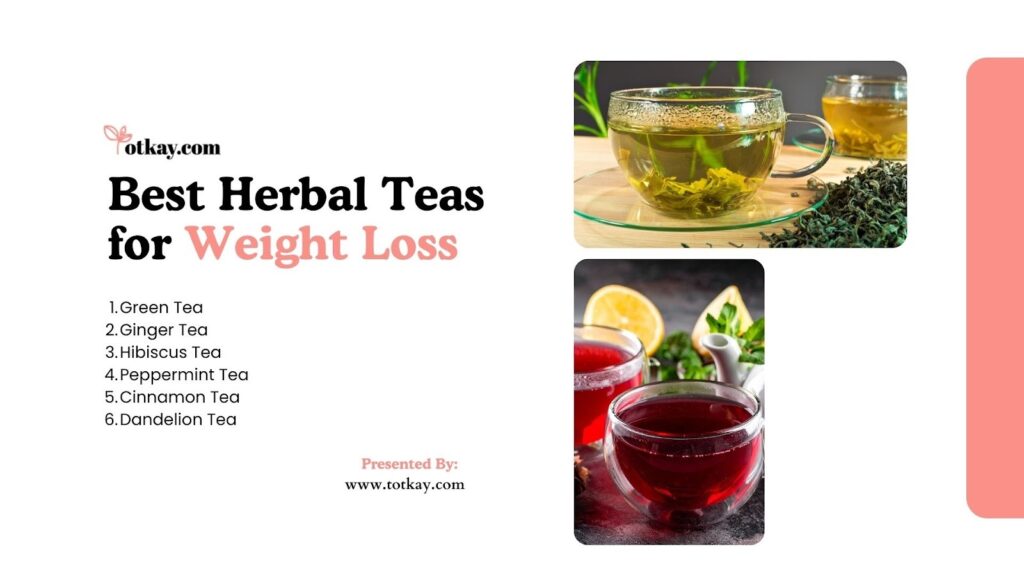
Not all herbal teas offer the same benefits. Some are more effective for fat burning, while others excel at suppressing appetite or supporting detoxification. Here are the strongest herbal teas for weight loss, along with what makes each one worth including in your routine:
Green Tea: The Ultimate Metabolism Booster
Green tea is the most extensively studied of all metabolism-boosting teas. Its high concentration of EGCG and antioxidants makes it a standout fat-burning tea.
Key benefits include:
- Stimulates fat oxidation: EGCG activates fat-burning enzymes, helping the body break down stored fat more efficiently during both exercise and rest.
- Increases energy expenditure: Regular consumption has been shown to modestly raise daily calorie burn, contributing to a negative energy balance over time.
- Supports antioxidant activity: Green tea’s antioxidants reduce oxidative stress, which is linked to inflammation and impaired metabolism.
- Contains moderate caffeine: The combination of caffeine and catechins creates a synergistic effect that enhances physical performance and fat burning simultaneously.
Ginger Tea: Natural Fat Burning Tea
Ginger is a warming root with powerful digestive and anti-inflammatory properties. As a natural fat-burning tea, it works through multiple pathways.
Key benefits include:
- Enhances thermogenesis: Gingerols and shogaols, the active compounds in ginger, raise body temperature slightly, increasing calorie expenditure.
- Improves gastric motility: Ginger accelerates stomach emptying, reducing bloating and improving the overall efficiency of digestion.
- Suppresses appetite: Ginger influences serotonin receptors associated with hunger, helping reduce the urge to overeat.
- Reduces inflammation: Chronic inflammation impairs metabolic function; ginger’s anti-inflammatory compounds help restore normal metabolic activity.
Hibiscus Tea: Detox Tea for Fat Reduction
When exploring herbal teas for weight loss, hibiscus tea stands out as a potent beverage for those looking to reduce fat accumulation and support detoxification.
Key benefits include:
- Inhibits fat absorption: Studies suggest that hibiscus extract may inhibit the production of amylase, an enzyme involved in carbohydrate digestion, potentially reducing calorie absorption.
- Rich in anthocyanins: These powerful antioxidants protect cells from damage and may reduce fat storage triggered by oxidative stress.
- Reduces water retention: Hibiscus acts as a mild diuretic, helping the body eliminate excess fluid and reduce visible bloating.
- Supports liver detoxification: A well-functioning liver is critical for fat metabolism; hibiscus compounds support healthy liver enzyme activity.
Peppermint Tea: Appetite Suppressant
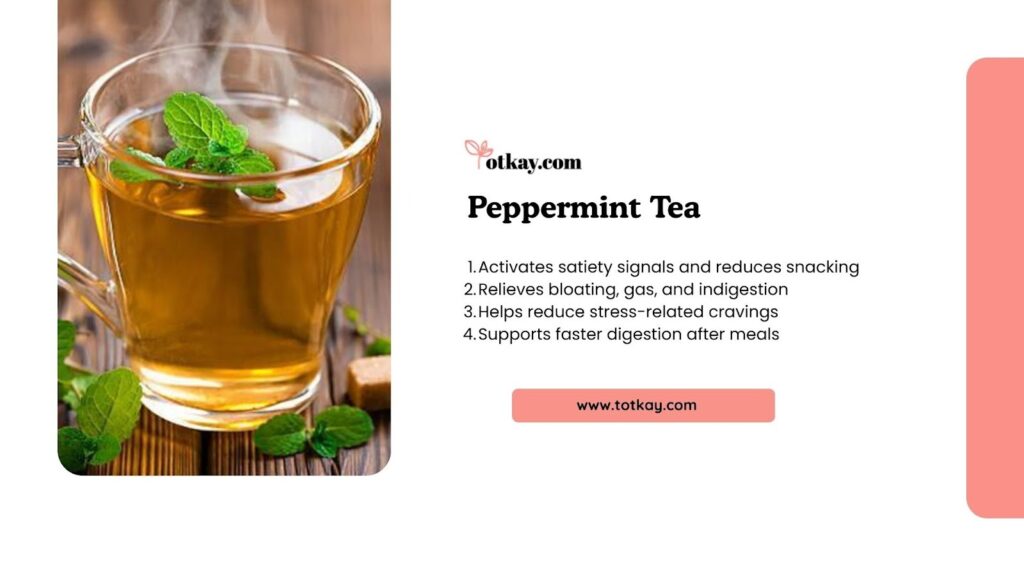
Peppermint tea is a caffeine-free option with a sharp, refreshing flavor that directly influences hunger and digestion.
Key benefits include:
- Activates satiety signals: The aroma and taste of peppermint stimulate receptors in the brain that signal fullness, reducing the desire to snack between meals.
- Relieves digestive discomfort: Menthol relaxes the muscles of the gastrointestinal tract, easing bloating, gas, and indigestion that can contribute to a distended stomach.
- Reduces stress-related cravings: Peppermint has mild calming properties that can help break the cycle of stress-driven eating.
- Supports post-meal digestion: Drinking peppermint tea after meals accelerates the digestive process, preventing the sluggishness that often follows large meals.
Cinnamon Tea: Blood Sugar Balancer
Cinnamon is a powerful spice that targets one of the most underappreciated drivers of weight gain: unstable blood sugar.
Key benefits include:
- Improves insulin sensitivity: Cinnamon compounds mimic insulin and enhance glucose uptake by cells, reducing the amount of sugar stored as fat.
- Lowers fasting blood sugar: Regular consumption has been associated with modest reductions in fasting glucose levels in clinical studies.
- Curbs sugar cravings: By keeping blood sugar steady, cinnamon tea significantly reduces the intensity and frequency of sugar cravings.
- Supports a healthy metabolism: Stable blood glucose levels allow the body to maintain consistent energy output rather than cycling through energy spikes and crashes.
Dandelion Tea: Natural Detox Beverage
Dandelion tea is a powerful yet underutilized option among natural weight loss beverages. It targets water weight and liver health with remarkable efficiency.
Key benefits include:
- Acts as a natural diuretic: Dandelion promotes kidney activity, increasing urine output and helping the body shed excess water weight quickly.
- Supports liver detoxification: The liver is responsible for processing fats; dandelion root stimulates bile production, improving fat digestion and elimination.
- Provides prebiotic fiber: Dandelion contains inulin, a prebiotic that feeds beneficial gut bacteria and supports a healthy microbiome linked to better weight regulation.
- Reduces inflammation: Dandelion’s anti-inflammatory compounds address systemic inflammation that can slow metabolism and promote fat storage.
Easy Detox Tea Recipes for Weight Loss
Brewing your own herbal teas for weight loss at home gives you full control over ingredients and potency. These four recipes are simple to prepare and deliver measurable benefits with regular use.
Ginger Lemon Detox Tea
Ingredients:
- 1 inch fresh ginger root, peeled and sliced
- Juice of half a lemon
- 1.5 cups of water
- 1 teaspoon raw honey (optional)
Preparation:
Bring the water to a boil. Add the sliced ginger and simmer for 10 minutes. Remove from heat, strain into a mug, and stir in the lemon juice. Add honey if desired.
Benefits:
This combination amplifies thermogenesis through ginger while the vitamin C in lemon supports liver function. It is most effective when consumed first thing in the morning on an empty stomach.
Cinnamon Fat Burning Tea
Ingredients:
- 1 cinnamon stick (or 1 teaspoon ground cinnamon)
- 1.5 cups of water
- A pinch of black pepper
- 1 teaspoon raw honey (optional)
Preparation:
Boil the water with the cinnamon stick for 10 minutes. Strain into a mug and add a pinch of black pepper, which enhances the bioavailability of cinnamon’s active compounds. Add honey to taste.
Benefits:
This fat-burning tea stabilizes blood sugar within 30 to 60 minutes of consumption. Drinking it before a meal significantly reduces post-meal blood sugar spikes and subsequent cravings.
Green Tea and Mint Slimming Drink
Ingredients:
- 1 green tea bag
- 5 fresh peppermint leaves
- 1.5 cups of hot water (not boiling — approximately 80°C or 175°F)
- Juice of a quarter lemon
Preparation:
Steep the green tea bag and peppermint leaves together in hot water for 3 minutes. Remove the tea bag and leaves. Add the lemon juice and stir gently.
Benefits:
This slimming herbal tea combines the fat-oxidizing power of green tea with the appetite-suppressing properties of peppermint. The lemon adds a detoxifying boost and enhances the absorption of catechins.
Hibiscus Detox Tea
Ingredients:
- 2 tablespoons dried hibiscus petals
- 2 cups of water
- 1 teaspoon grated fresh ginger
- 1 teaspoon raw honey (optional)
Preparation:
Bring the water to a boil. Add the hibiscus petals and grated ginger. Reduce the heat and simmer for 8 minutes. Strain into a glass and allow to cool slightly before drinking. Add honey if desired.
Benefits:
This vibrant detox tea recipe delivers a concentrated dose of anthocyanins and digestive enzymes. It is particularly effective for reducing bloating and supporting liver-driven fat metabolism.
Best Time to Drink Herbal Teas for Weight Loss
Timing matters more than most people realize. Drinking herbal teas at specific points throughout the day amplifies their effects and aligns them with the body’s natural rhythms.
Morning metabolism booster:
Drinking a metabolism-boosting tea, such as green tea or ginger lemon detox tea, within 30 minutes of waking, activates thermogenesis early in the day.
The body’s cortisol levels peak in the morning, and pairing this with a fat-burning tea creates an optimal environment for calorie burning throughout the day.
Before meals for appetite control:
Consuming peppermint or ginger tea 20 to 30 minutes before eating reduces meal-time hunger and slows gastric emptying. This naturally decreases portion sizes without conscious restriction.
After meals for digestion:
Peppermint or dandelion tea taken after meals supports the breakdown and elimination of food. This reduces post-meal bloating and ensures nutrients are absorbed efficiently rather than contributing to fat storage.
Before bedtime for relaxation:
Caffeine-free options like hibiscus or cinnamon tea are ideal in the evening. They support blood sugar stability overnight and promote restful sleep, which is a critical factor in hormonal weight regulation.
Pro Tips for Boosting Weight Loss with Herbal Teas
Herbal teas work best as part of a broader health strategy. Relying on tea alone will produce limited results. Here is how to make these beverages work harder for you.
- Combine tea with a balanced diet: Focus on whole foods, lean proteins, and fiber-rich vegetables. Herbal teas enhance fat metabolism, but a nutrient-dense diet provides the foundation for sustainable weight loss.
- Stay hydrated throughout the day: Herbal teas contribute to daily fluid intake, but plain water remains essential. Dehydration slows metabolism and is often mistaken for hunger.
- Maintain sleep quality: Poor sleep disrupts ghrelin and leptin, the hormones that regulate hunger. Evening herbal teas that promote relaxation support deeper, more restorative sleep.
- Avoid sugary drinks: Replacing sugar-laden beverages with herbal teas eliminates hundreds of empty calories per week. This single substitution can accelerate weight loss significantly over time.
Are Herbal Teas Safe for Daily Use?

For most healthy adults, herbal teas are safe for regular consumption. However, several important considerations apply.
Recommended intake:
Two to four cups per day is a practical and well-tolerated amount for most herbal varieties. Rotating between different teas also prevents overexposure to any single compound.
Possible caffeine sensitivity:
Green tea contains caffeine, which can cause restlessness, elevated heart rate, or sleep disruption in sensitive individuals. Those with caffeine sensitivity should limit green tea to morning hours or switch to caffeine-free alternatives such as hibiscus, peppermint, or cinnamon tea.
Medical precautions:
Certain herbal teas interact with medications or are contraindicated in specific health conditions.
- Dandelion tea can interact with diuretic medications.
- Cinnamon in large quantities may affect blood sugar medication dosing.
- Hibiscus can lower blood pressure.
Pregnant or breastfeeding individuals and those managing chronic health conditions should consult a healthcare provider before introducing new herbal teas regularly.
Start Brewing Your Way to Better Health
Herbal teas for weight loss offer a practical, science-supported approach to improving metabolism, reducing appetite, and supporting the body’s natural detoxification systems. Green tea, ginger, hibiscus, peppermint, cinnamon, and dandelion each bring unique mechanisms that, when combined with a healthy lifestyle, contribute to meaningful and sustainable fat loss.
The key is consistency. Drinking two to four cups of metabolism-boosting teas daily, choosing the right teas for the right times, and avoiding the common mistakes outlined in this guide will set you up for long-term success.
Ready to begin your journey? Start with one or two teas from this guide, build a routine around them, and allow your body the time it needs to respond. For more personalized tips and natural health remedies, explore the wealth of knowledge at totkay.com. Remember, small, consistent actions compound into significant results.
Frequently Asked Questions
Do herbal teas really help with weight loss?
Yes, but within a realistic framework. Herbal teas support weight loss by boosting metabolism, reducing appetite, aiding digestion, and stabilizing blood sugar. They are not a replacement for diet and exercise, but research shows they can meaningfully enhance results when used consistently alongside a healthy lifestyle.
Which tea burns the most belly fat?
Green tea is the most researched option for fat burning, particularly for abdominal fat. Its EGCG content promotes fat oxidation and thermogenesis. Ginger tea and hibiscus tea also show strong evidence for reducing fat accumulation and supporting metabolic health.
How many cups of herbal tea should you drink daily?
Two to four cups per day is generally considered safe and effective for most adults. Spread consumption across the day to align with natural metabolic peaks and avoid consuming caffeinated varieties close to bedtime.
Are detox teas safe?
Most homemade detox tea recipes using natural ingredients like ginger, hibiscus, and dandelion are safe for regular use. Commercial detox teas, however, often contain laxative compounds like senna that can cause digestive harm with prolonged use.

Hi, I’m a dedicated writer at Totkay.com, passionate about sharing practical tips and solutions to make your life easier. Explore my articles for helpful insights and valuable advice. Stay connected for more expert content!
Related posts:
 Wazan Zyada Karne Ka Tarika: Sehatmand Ghiza Aur Asan Nuskhe
 Green Tea for Weight Loss
 How to balance female hormones for weight loss?
 Weight Loss Cinnamon Tea | Unbelievable Health Benefits & Tips
 Weight Loss Maintenance: 7 Secrets to Stop Regaining Forever
 Weight Loss Tips for Men: 11 Proven Ways to Burn Fat