
9 Water Retention Remedies to Safely Reduce Bloating
Imagine waking up one morning, slipping into your favorite jeans, and realizing they feel tighter than usual. Your feet feel heavy, your hands seem puffier, and you can’t shake off the bloated sensation. This isn’t weight gain, it’s water retention, or edema, caused by excess fluid trapped in your body’s tissues.
The swelling often pops up in your ankles, feet, hands, or even your midsection, making everyday tasks uncomfortable. But here’s the good news: water retention is temporary and manageable with the right strategies.
In this blog, we’ll uncover simple, effective water retention remedies to reduce bloating, dive into the science behind why these methods work, and help you understand when it’s time to consult a doctor. Let’s get started
What Is Water Retention and Why Does It Happen
Fluid retention is a common condition where the body holds onto water rather than flushing it Retention
- Dietary Choices: Consuming too much salt causes the body to retain water to balance sodium levels.
- Why it matters: High salt intake can lead to bloating and increased blood pressure, impacting overall health.
- Hormonal Changes: Women may experience temporary fluid retention due to hormonal shifts, such as during menstrual cycles.
- Why it matters: Hormonal fluid retention can affect comfort, energy levels, and even daily activities.
- Understanding the Cause: Identifying the reason behind fluid retention is crucial for finding the right solution.
- Why it matters: Addressing the root cause helps manage symptoms effectively and prevents long-term issues.
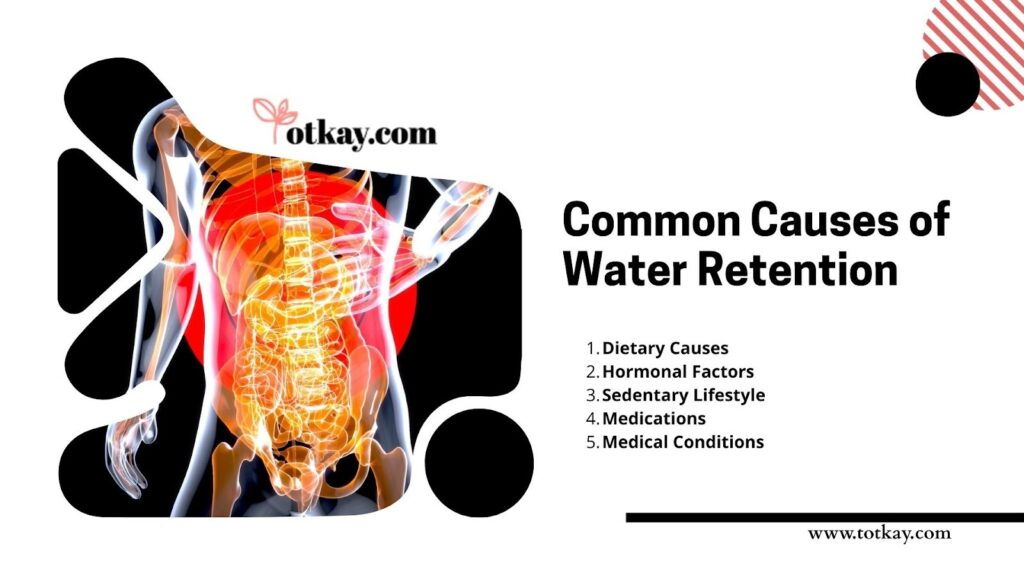
Common Causes of Water Retention
Several factors contribute to why the body holds onto excess fluid, such as high sodium intake, hormonal changes, or underlying health conditions like kidney issues. Identifying which of these applies to you helps you choose the most effective solution.
Dietary Causes
What you eat plays a massive role in fluid balance.
- High Sodium Intake: Sodium binds to water in the body and helps maintain the balance of fluids both inside and outside of cells. When you consume too much salt, your body retains water to dilute the excess sodium.
- Low Potassium Consumption: Potassium helps counterbalance sodium. If you do not eat enough potassium-rich foods, your body struggles to regulate sodium levels effectively, leading to increased retention.
Hormonal Factors
Hormones act as chemical messengers that can signal the kidneys to hold onto fluid.
- PMS: Many women experience bloating in the days leading up to their period due to fluctuations in estrogen and progesterone.
- Pregnancy: The body retains more water during pregnancy to support the baby and prepare the pelvis for labor.
Sedentary Lifestyle
Movement is critical for keeping fluids circulating throughout the body. Poor circulation results from sitting or standing for long periods, which allows gravity to pull fluid down into the legs and feet. A lack of muscle contraction means this fluid cannot easily pump back up to the heart.
Medications
Certain prescriptions list edema as a known side effect.
- Steroids: Corticosteroids can cause the body to retain sodium and lose potassium.
- NSAIDs: Common pain relievers like ibuprofen can affect kidney blood flow.
- Blood Pressure Medicines: Calcium channel blockers are known to cause swelling in the feet and ankles.
Medical Conditions
Persistent swelling may signal that an organ is not functioning correctly.
- Kidney Issues: The kidneys are responsible for filtering out excess fluid. If they are not functioning correctly, fluid builds up.
- Heart Failure: If the heart cannot pump blood effectively, the body retains fluid in the lungs or lower limbs.
- Liver Disease: Cirrhosis can cause fluid accumulation in the abdominal cavity (ascites) and legs.
How Natural Water Retention Remedies Work
You might wonder how simple foods or habits can physically reduce swelling. Natural water retention remedies target specific biological mechanisms to restore the body’s fluid balance.
- Diuretic effect:
Some substances naturally stimulate the kidneys to produce more urine. This process helps flush out excess water and sodium, relieving pressure on the tissues. - Electrolyte balance:
Sodium and potassium work in tandem to control where water goes in the body. Increasing potassium intake helps neutralize the effects of sodium, signaling the body to release held fluids. - Circulation improvement:
Physical movement and certain nutrients strengthen blood vessels and improve blood flow. This prevents fluid from leaking into tissues and becoming stagnant in the lower limbs. - Reducing inflammation:
Systemic inflammation often accompanies fluid retention. Consuming foods rich in antioxidants helps lower inflammation levels, which allows the body to regulate fluid more efficiently. - Hormonal modulation:
Certain lifestyle changes help stabilize insulin and cortisol levels. When these stress and storage hormones are balanced, the body is less likely to hoard water.
Best Natural Remedies for Water Retention (With Practical Use)
These water retention remedies focus on adjusting your diet and daily habits to encourage fluid release. Each remedy listed below is safe for most people and addresses the root causes of bloating.

Drink More Water
It may seem counterintuitive to drink water when you are feeling bloated, but hydration is key. When you are dehydrated, your body holds onto every drop of water it has as a survival mechanism. Drinking adequate water improves kidney function and signals the body that it is safe to release stored fluid and flush out excess sodium.
- How to use: Aim for roughly half your body weight in ounces of water daily.
- Cautions: Avoid ice-cold water if you have sensitive digestion, as it may cause cramping.
Reduce Sodium Intake
Salt is the most common culprit behind temporary bloating. By cutting back on sodium, you stop the body from needing to dilute your blood with excess water. This is often the fastest way to see a reduction in puffiness.
- How to use: Avoid processed foods, canned soups, deli meats, and fast food.
- Example tips: Always read nutrition labels and opt for “low sodium” versions of your favorite products.
Increase Potassium-Rich Foods
Potassium is the mineral that counteracts sodium. When potassium levels rise, the body excretes more sodium and water through urine.
- List foods: Bananas, spinach, oranges, sweet potatoes, and avocados.
- Why: Potassium helps balance sodium levels and fluid volume.
- Serving suggestions: Try to include a potassium source in every meal to maintain a steady balance.
Natural Diuretic Teas
Certain herbs act as mild diuretics and offer antioxidant benefits. They encourage the kidneys to release sodium without the harsh side effects of pharmaceutical drugs.
Herbal options:
- Dandelion tea: Known for its strong diuretic properties.
- Green tea: Contains caffeine, which acts as a mild diuretic.
- Parsley tea: traditionally used to support kidney function.
- Hibiscus tea: tasty and effective for fluid balance.
How to use: Brew fresh tea and drink one to two cups daily.
Cautions: Avoid consuming excessive amounts if you are already on prescribed diuretic medication.
Magnesium-Rich Foods or Supplements
Magnesium plays a vital role in over 300 enzymatic reactions in the body, including electrolyte balance. Studies suggest that magnesium supplementation can specifically help reduce water retention associated with PMS.
- Sources: Nuts, seeds, dark chocolate, leafy greens, and whole grains.
Apple Cider Vinegar
Apple cider vinegar (ACV) typically contains potassium, which may help balance sodium levels. Anecdotal evidence suggests it acts as a diuretic and anti-inflammatory agent.
- How to use: Mix 1–2 tablespoons of ACV into a glass of water and drink it before meals.
- Caution: ACV is acidic and can erode tooth enamel or irritate the throat, so always dilute it well.
Lemon Water / Citrus Infusions
Lemons add flavor to water and provide a boost of vitamin C. This encourages you to drink more water while providing a very mild diuretic effect.
- Why: Vitamin C and fluid volume help flush the system.
- Serving tips: Squeeze half a lemon into warm or room temperature water first thing in the morning.
Physical Activity & Elevation
Movement is one of the most effective mechanical water retention remedies. Contracting your muscles pumps fluid back toward your heart, while elevating your legs uses gravity to drain fluid from swollen ankles.
- Activities: Walking, swimming, and cycling are excellent for circulation.
- Additional tip: Lie on the floor with your legs up against a wall for 15 minutes to reduce ankle swelling.
Compression Socks for Lower Limb Edema
External pressure prevents fluid from leaking into the surrounding tissues. This mechanical support helps move blood upward against gravity.
- Why: External support reduces pooling in the lower extremities.
- When to use: Wear them during air travel or if you expect to be standing for long periods.
Foods & Habits That Worsen Water Retention
While some foods act as medicine, others actively work against your fluid balance goals. Avoiding these triggers is just as important as using water retention remedies.
- Processed foods & MSG: These items are hidden sources of massive sodium loads. They cause immediate and significant bloating that can last for days.
- Sugary drinks: High sugar intake leads to insulin spikes. High insulin levels signal the kidneys to reabsorb sodium, leading to fluid retention.
- Excess caffeine: While a mild diuretic, too much caffeine can lead to dehydration. This triggers the body’s rebound retention mechanism.
- Alcohol: Alcohol is extremely dehydrating. The body overcompensates for this dehydration by holding onto water the next day, causing the classic “puffy” hangover look.
When Water Retention Is a Medical Concern
Natural solutions are effective for lifestyle-related bloating, but some symptoms require professional attention. Do not ignore swelling if it appears alongside other warning signs.
- Sudden swelling: If swelling appears instantly without an obvious cause, seek medical help immediately.
- Shortness of breath: Swelling accompanied by difficulty breathing may indicate fluid in the lungs or heart issues.
- Chest pain: This is a medical emergency, especially if combined with leg swelling.
- Cloudy or very dark urine: This can signal kidney distress or severe dehydration requiring medical intervention.
- Consistent daily swelling: If one leg is swollen while the other is not, or if the swelling does not resolve with rest, consult a doctor.
Lifestyle Routines to Prevent Future Water Retention
Consistency is key to keeping bloating away long-term. Establishing a daily routine that supports fluid balance prevents the issue from returning.
- Daily hydration schedule: Drink water consistently throughout the day rather than chugging it all at once. This keeps kidney function stable.
- Balanced sodium/potassium meal plan: Plan meals that naturally balance sodium intake with potassium-rich vegetables. Focus on whole foods.
- Exercise routine: Commit to daily movement. Even a 20-minute walk stimulates the lymphatic system enough to prevent pooling.
- Sleep & stress impact on hormones: Prioritize sleep and stress management. High cortisol levels from stress and fatigue promote fluid retention.
Conclusion
Bloating is often caused by simple lifestyle factors like diet or inactivity. Addressing it can be as easy as staying properly hydrated, maintaining electrolyte balance, and incorporating regular movement into your routine.
These small but consistent changes are effective water retention remedies that can help you feel lighter and more comfortable over time. However, if bloating persists or becomes severe, it’s important to consult a healthcare professional to rule out underlying issues.
For more daily home remedies, including tips for hair, skin, weight loss, and overall natural remedies, visit totkay.com and discover simple solutions to enhance your well-being!
Frequently Asked Questions
What is the best natural remedy for water retention?
Reducing sodium intake while increasing water consumption is generally the most effective first step for most people.
Which foods help flush excess water from the body?
Potassium-rich foods like bananas, spinach, sweet potatoes, and avocados help counterbalance sodium. Herbal teas, such as dandelion or parsley tea, may also promote mild diuretic effects
How long does it take for natural remedies to work?
You typically see results within 24 to 48 hours of adjusting your diet and hydration levels.
Can dehydration cause water retention?
Yes, when the body detects dehydration, it holds onto every drop of available fluid as a survival mechanism.
Are natural diuretics safe?
Most herbal teas are safe for healthy individuals, but you must check with a doctor if you take prescription medication.

Hi, I’m a dedicated writer at Totkay.com, passionate about sharing practical tips and solutions to make your life easier. Explore my articles for helpful insights and valuable advice. Stay connected for more expert content!
Related posts:
 How to Lose Weight in Ramadan By Incorporating Sunnah
 How to Get Six-Pack at Home Without Equipment?
 A Detailed Review of Alpilean Weight Loss Pills
 Coffee, Lemon, and Hot Water for Weight Loss
 The Top Benefits of Coffee and Ginger for Weight Loss
 Ayurvedic Herbs for Fitness: The 2026 Guide to Natural Strength