The Apothecary’s Secret: Unlocking the Perfect Homemade Lip Balm
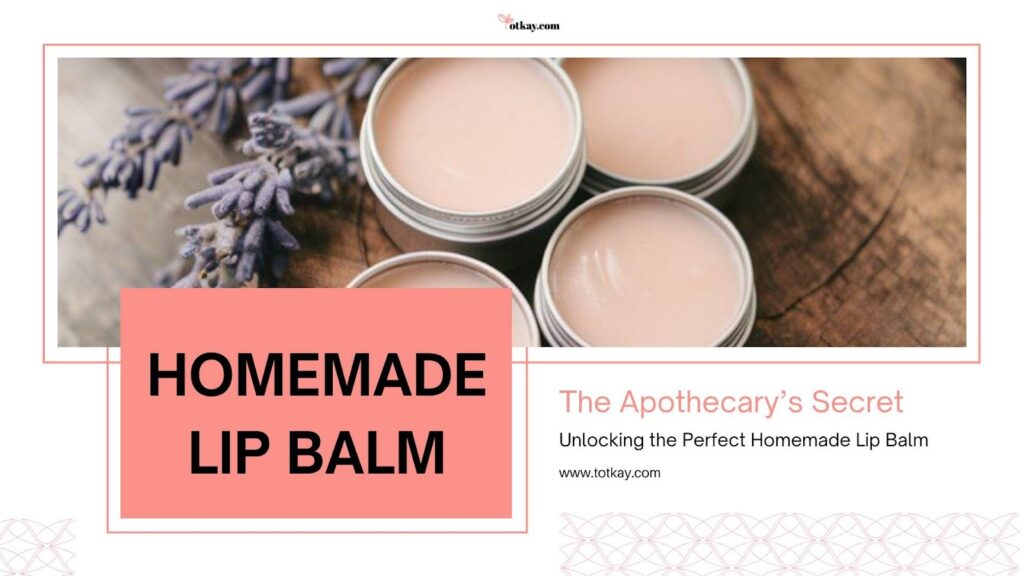
Have you ever reached for a store-bought lip balm, only to experience a waxy, fleeting layer that leaves you with dry lips craving real relief? Many beauty products provide temporary comfort, but your lips deserve more. That disappointment sparked my search for the ultimate homemade lip balm —one made with only natural ingredients for sensitive skin, in a nourishing, silky formula.
The secret to creating your own lip balm is not just about following a basic recipe. It is a set of unique formulation tips that ensure your final product stands out from every other natural lip balm on the shelf.
I am excited to reveal DIY lip balm recipe hacks, favorite essential oils, and key natural ingredients. You will learn how to use a glass measuring cup, double boiler, and other tools to achieve professional results in your own kitchen.
The Revelation: 10 Secrets to Transform Your Homemade Lip Balm
This is where true lip balm mastery begins. Each tip improves your own lip balm recipe for softer, healthier lips.
The Castor Gloss Multiplier
For a non-sticky, luxurious shine, use Castor Oil for at least 30% of your liquid oil and butter blend. This thick, oil-soluble ingredient keeps moisture locked in and gives a high-gloss finish perfect for natural lip balm recipes.
The Two-Wax Stability Anchor
Tired of soft tubes melting? Mix Beeswax pastilles or pellets with Carnauba or Candelilla wax at a 4:1 ratio. This blend creates a stable vegan lip balm for lip balm containers and tubes, even when stored in a small pot in your bag.
The Temperature Flavor Lock
Essential oils bring an irresistible scent to your DIY lip balm recipes, but do not add them to melted wax that is too hot. Always cool your mixture to about 125°F in a glass bowl before adding essential oil drops. This technique preserves the sweet orange essential oil or lemon essential oil notes in your natural lip balm.
The Pre-Emptive Chill
Cool your empty lip balm tubes or containers before pouring. Place them in the fridge for 15 minutes, then immediately pour your melted balm. This helps your final product cool completely, setting with no cracks or streaking.
The Shea Anti-Grain Whip
Shea Butter is favored in many organic lip balm recipes. Whip the shea butter before melting to avoid a gritty texture. Combine with cocoa butter or mango butter for the softest, most luxurious results.
The Natural SPF Boost
Red Raspberry Seed Oil gives mild sun protection to your homemade lip balm. Swap up to half of your regular oil for this oil, or blend it with almond oil, olive oil, or sweet almond. Your lips get a nourishing boost and extra care in any climate.
The Vanilla Fixative Trick
Scents like citrus or mint fade fast. Add a couple of drops of vanilla extract or absolute to your essential oil blend. This trick helps those lighter fragrance notes last longer in your lip balm tubes.
The Rapid Lip-Healer Blend
For deep healing, infuse your carrier oils with Calendula or Plantain. Include a little Vitamin E oil and Tamanu oil. These natural ingredients promote rapid repair, making your homemade lip balm ideal for dry, cracked, or sensitive lips.
The Pigment Infusion Rule
Want a tinted balm? Infuse beetroot powder or alkanet root in a bit of your liquid oil before adding it to your batch. This way, color is even and stays blended—no separation at the bottom of your small containers.
The Vitamin E Longevity Guard
Vitamin E Oil extends shelf life and prevents oils from becoming rancid. Add it after melting all wax and oil ingredients, but before essential oils. This keeps your DIY lip balm recipes fresh for weeks.
The Core Mechanics: Why Homemade is a Better Choice
Making lip balm at home puts the power in your hands. You avoid petroleum and unnecessary synthetic ingredients. Every small amount of beeswax, candelilla wax, shea butter, cocoa butter, or coconut oil serves a purpose: softening, sealing in moisture, or delivering nutrients straight to your lips.
A quality organic lip balm follows these requirements:
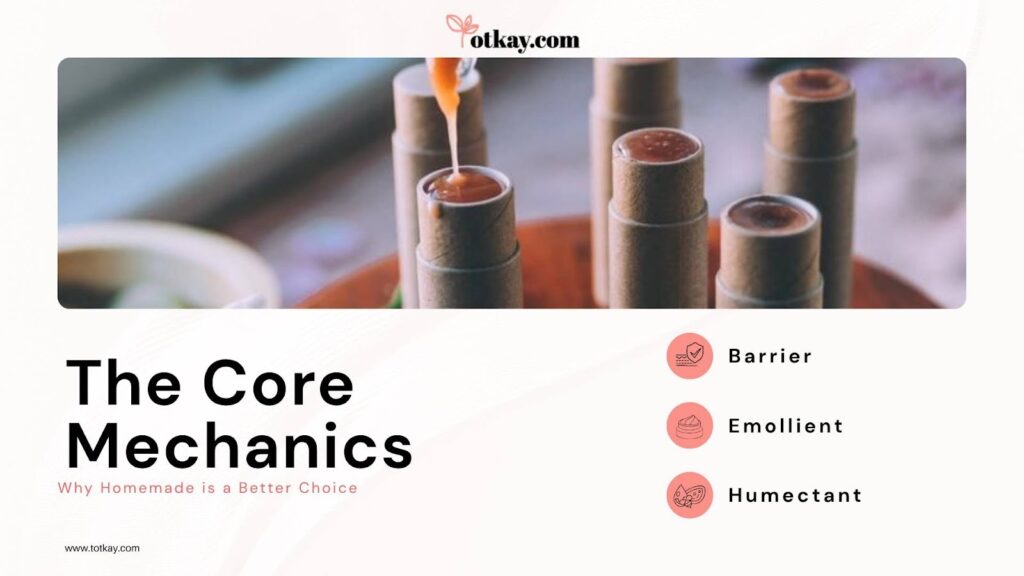
- Barrier: More wax (like beeswax pellets or candelilla wax) for all-day protection.
- Emollient: More oil (jojoba oil, coconut oil, almond oil, olive oil) to keep lips soft.
- Humectant: Add honey sparingly for hydration, but too much can cause your balm to separate.
Choose a double boiler or use medium heat in a small pot to keep your natural ingredients stable. Use a glass measuring cup or bowl and stir with a small spatula, stirring occasionally, to mix everything thoroughly.
The Ingredient Ledger: Deciphering Your Choices
Here are key choices for making lip balm with simple ingredients:
- Waxes: Beeswax, carnauba wax, or candelilla wax (vegan option).
- Butters: Shea butter, cocoa butter, mango butter, or kokum butter.
- Oils: Jojoba oil, sweet almond oil, coconut oil, or olive oil.
- Other ingredients: Vitamin E, vanilla extract, natural essential oils, and optional beetroot powder for color.
Use your favorite essential oils for custom aromatherapy. If you want more beeswax for firmness, or more oil for a softer balm, simply adjust the ratios in your recipe.
Favorite Herbs for Healing Power
Lip balms with infused oils (Calendula, Lemon Balm, Plantain) are gentle enough for sensitive skin, and support naturally beautiful lips. Two methods: Slow infusion in a warm spot or quick infusion using low, steady heat.
Maximizing the Power of Your Balm
Apply your balm at the right times: in the morning, at night, and after gentle exfoliation. This routine transforms dry lips and boosts absorption for a soft, healthy result.
The Benefits of Making Your Own Lip Balm
- Skip synthetic petrolatum and alcohol based fillers.
- Enjoy custom aromatherapy with essential oils.
- Reduce waste with DIY projects that use reusable lip balm tubes or containers.
- Help lips with targeted healing and superior hydration.
- Adjust the consistency easily using the same amount of ingredients in different ratios.
Quick Reference: Lip Balm Formulation Table
| Goal/Effect | Wax Ratio | Butter Ratio | Liquid Oil Ratio | Key Ingredient Tip |
| All-Day Barrier | 1.25 | 0.5 | 3.25 | Use Kokum Butter for firmness. |
| Luxurious Shine | 1.0 | 1.0 | 3.0 | 40% of the liquid oil must be Castor Oil. |
| Healing/Overnight | 1.0 | 1.5 | 2.5 | Infuse oils with Calendula & add Vitamin E. |
| Vegan (Tube-Ready) | 0.5 (Candelilla) | 1.0 | 3.5 | Use the Two-Wax Stability Anchor (Secret #2). |
Use exact measurements for the most consistent results. Test your final product in small containers and always label with notes, shelf life, and batch ingredients. Review recipe ratings and comment on something about your own experiments. Fun experimenting helps perfect every batch.
Conclusion: The Alchemist’s Final Blessing
You now possess the knowledge to make your own homemade lip balm using natural, organic, and oil-soluble ingredients in simple recipes. Every new batch improves your skills in making lip balm and creating beauty products that truly nourish.
Try new ingredient combinations and share your tips for homemade lip balm or more diy skincare recipes below. Your creativity helps others on their journey with totkay!
Frequently Asked Questions
How do I make homemade lip balm?
Melt beeswax, a carrier oil (like coconut oil), and a butter (like shea butter) in a double boiler. Add essential oils, pour into containers, and let cool.
How do you make 3-ingredient lip balm?
Combine equal parts beeswax, coconut oil, and shea butter. Melt, mix, and pour into lip balm tubes or tins for a simple, nourishing balm.
How to make lip balm at home with 2 ingredients?
Melt equal parts beeswax and coconut oil. Mix well, pour into containers, and let it set for a quick, effective lip balm.
Which homemade lip balm is best?
The best homemade lip balm uses natural ingredients like beeswax, shea butter, and essential oils, tailored to your lip care needs.
How to get pink lips in 7 days?
Exfoliate gently with sugar and honey, hydrate with a natural lip balm, and avoid harsh chemicals or excessive sun exposure.
How to make DIY Korean lip balm?
Blend beeswax, shea butter, and sweet almond oil. Add a few drops of beetroot powder for a natural tint and a touch of sweet orange essential oil.

Hi, I’m a dedicated writer at Totkay.com, passionate about sharing practical tips and solutions to make your life easier. Explore my articles for helpful insights and valuable advice. Stay connected for more expert content!