
Weight Loss Smoothie Recipes: Tasty Blends for Slimming Down
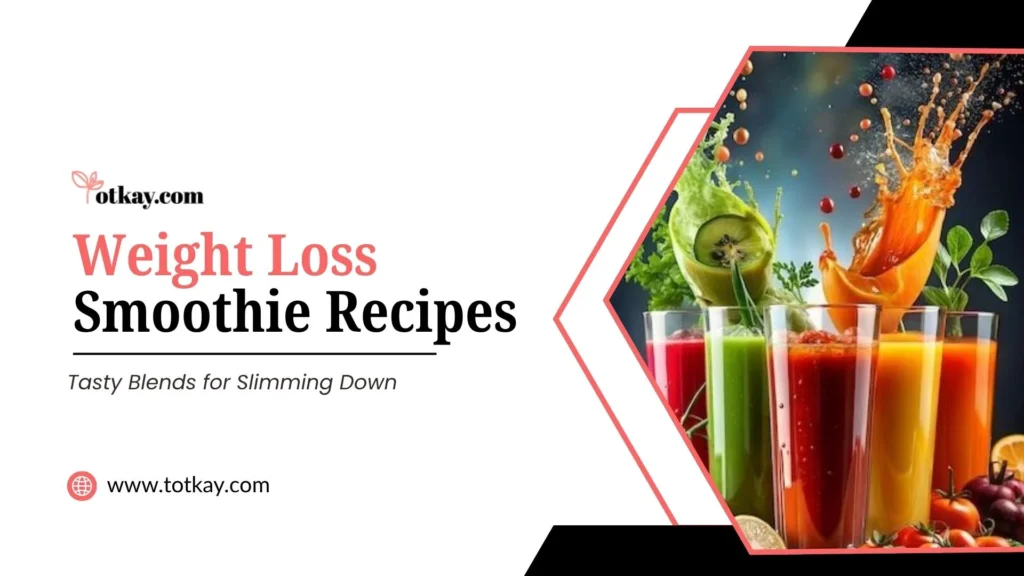
A weight loss smoothie works by combining protein, fiber, and healthy fats to control hunger while keeping calories in check, rather than through any single magic ingredient. The most effective blends pair essential nutrients from whole plant foods with a protein source, which supports a calorie deficit without leaving you hungry an hour later.
No blend targets belly fat specifically, but used consistently as part of a broader healthy diet, a weight loss smoothie can help kick-start a weight loss journey, though results still depend on total daily intake and activity level.
What Makes a Smoothie Good for Weight Loss?
Not every blended drink supports a calorie deficit. To create effective healthy smoothie options, one must understand the specific components that drive fat loss and prevent hunger, and what actually separates a best smoothie choice from an empty-calorie treat.
Satiety Boosters
Hunger is the primary reason most diets fail. A weight loss smoothie must contain ingredients that signal fullness to your brain.
Choosing the right smoothie components isn’t just about cutting calories, it’s about keeping hunger at bay for longer periods. Science shows that certain nutrients work better together to send powerful satiety signals, reducing the urge to snack.
- Protein: Ingredients like Greek yogurt or protein powder suppress the hunger hormone ghrelin.
- Fiber: Leafy greens and seeds expand in the stomach, keeping you full for hours, and consistent daily fiber intake is one of the most reliable satiety tools available.
- Healthy Fats: Avocado and nut butters slow down digestion, providing sustained energy.
Low-Calorie, High-Nutrient Ingredients
Volume eating allows you to consume more food for fewer calories. This approach relies on selecting ingredients that provide volume and nutrients without piling on excess energy, making it easier to feel satisfied while maintaining a calorie deficit.
When you build smoothies using filling, low-calorie foods, you can enjoy generous portions while staying within your daily targets.
- Greens: Spinach, kale, and Swiss chard are nutrient-packed powerhouses that add bulk, fiber, and essential vitamins (like A, C, and K) to your meals with minimal calories.
- Berries: Blueberries, raspberries, strawberries, and blackberries are among the best high fiber fruits for smoothies, adding natural sweetness along with antioxidants, fiber, and vitamin C. They help boost immunity, improve skin health, and offer a satisfying texture without adding excessive calories. Perfect for smoothies, salads, or snacks!
Metabolism Support
While genetics and activity level play a big part in your metabolic rate, your daily food choices can also make a noticeable difference. Selecting metabolism boosting ingredients can give your body a gentle nudge in the right direction, especially when paired with a healthy lifestyle overall.
Certain ingredients can slightly increase the rate at which your body burns calories.
- Green Tea: Contains EGCG, a compound studied in at least one randomized controlled trial for its potential role in fat oxidation, though effects are modest compared to overall diet and activity.
- Spices: Cayenne pepper and ginger can provide a temporary thermogenic boost.
Blood Sugar Control
Maintaining stable blood sugar levels is essential for effective weight loss and overall energy throughout the day. When your blood sugar spikes and crashes, you’re much more likely to experience cravings and fatigue that undermine your progress.
Spikes in blood sugar lead to insulin release, which can trigger fat storage.
- Low-Glycemic Fruit: Berries and green apples release sugar slowly.
- No Added Sugar: Avoiding honey, maple syrup, or fruit juice bases prevents energy crashes.
Can a Smoothie Help You Lose Belly Fat?
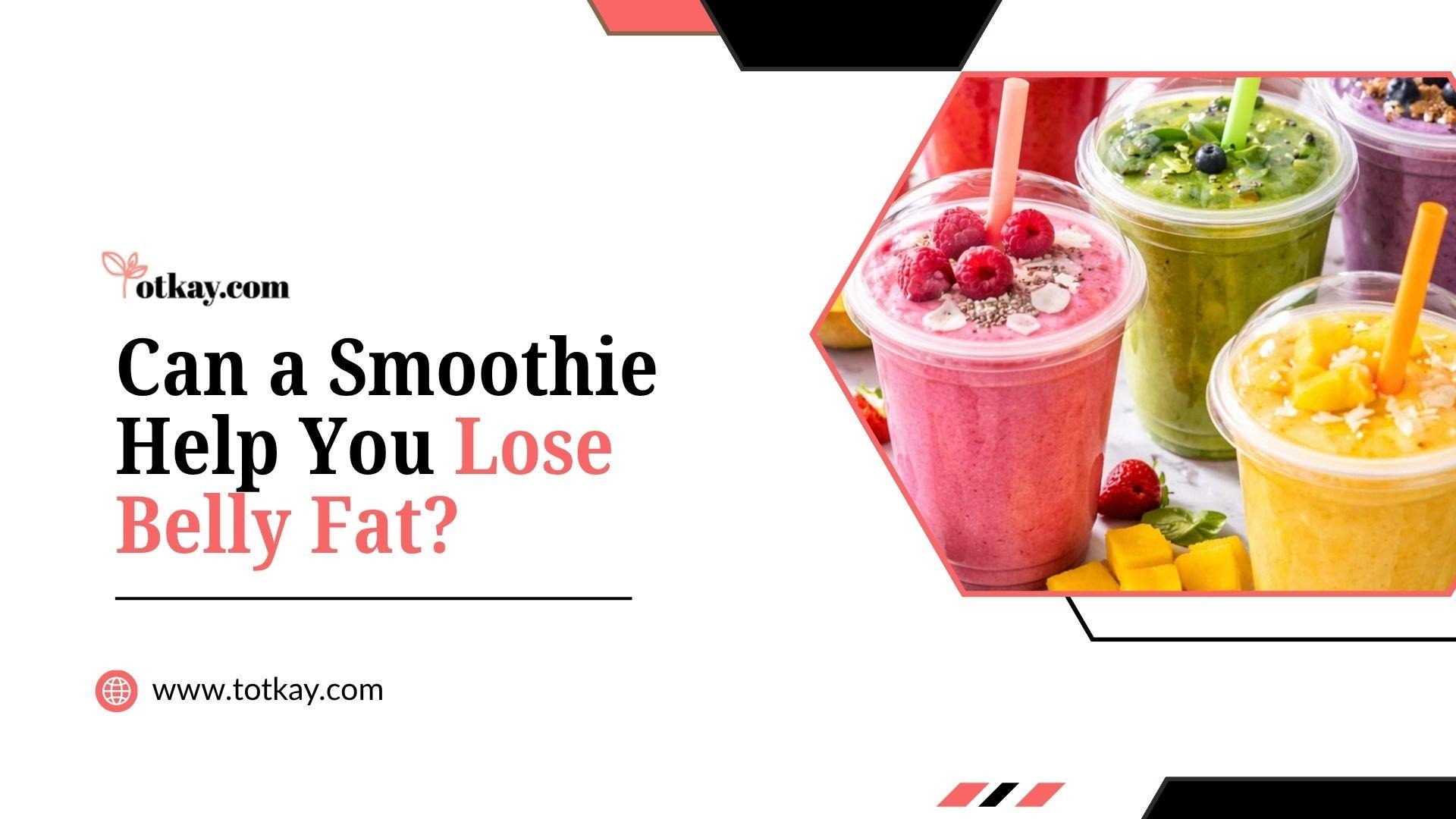
This question deserves an honest answer rather than a marketing one, since it shapes what you should realistically expect from any recipe in this guide.
- No single food targets one area: No smoothie, ingredient, or recipe can lose belly fat on its own. The body does not let you choose where fat comes from first, so claims to lose belly fat fast from any specific drink should be treated with skepticism.
- What actually reduces belly fat over time: A sustained calorie deficit, built through consistent nutrition and activity, reduces fat across the whole body, including the abdominal area, gradually rather than overnight.
- Where smoothies genuinely help: A well-built smoothie supports this process indirectly, by controlling hunger, replacing higher-calorie meals, and making it easier to stay within your target calories day after day.
Best Time to Drink Weight Loss Smoothies
Timing your nutrition can amplify the benefits of your smoothie. Understanding when your body needs fuel helps maximize fat oxidation and recovery.
Morning Breakfast Replacement
Starting the day with a high-protein smoothie stabilizes blood sugar levels early, making it a genuinely healthy breakfast option. This prevents the mid-morning cravings often caused by carbohydrate-heavy breakfasts like bagels or cereal.
Pre-Workout Energy
Consuming a smoothie 45 minutes before exercise provides easily digestible carbohydrates for energy. This ensures you can train with intensity without feeling weighed down by a heavy meal.
Post-Workout Recovery
After training, your muscles require protein for repair. A smoothie delivers these nutrients quickly, aiding in recovery and muscle retention, which is crucial for a fast metabolism.
Smart Snack
A small smoothie between lunch and dinner can bridge the gap. This prevents overeating during your evening meal by keeping hunger levels manageable.
Essential Ingredients for Weight Loss Smoothies
What specific items should you stock in your kitchen for your next weight loss smoothie? Selecting the right components ensures your drink counts among genuine fat burning smoothies rather than a dessert in disguise, and building a rotation of a few best smoothies makes the habit easier to sustain.
Leafy Greens
Why should you add vegetables to your breakfast drink? They provide essential volume and micronutrients without adding significant calories.
- Spinach (mild flavor)
- Kale (nutrient-dense)
Antioxidant-Rich Berries
How do fruits aid in weight management? Berries are lower in sugar than tropical fruits and high in fiber.
- Blueberries
- Strawberries
- Raspberries
Protein Sources
What is the most critical macronutrient for fat loss? Protein preserves lean muscle mass, which keeps your metabolic rate high.
- Greek yogurt (unsweetened)
- Whey or pea protein powder
- Silken tofu
Healthy Fats
Do fats make you fat? Contrary to popular belief, healthy fats are essential for hormone health and keeping you satisfied.
- Chia seeds
- Flax seeds
- Avocado (adds creaminess)
Metabolic Boosters
Can spices help you burn calories? Ingredients like ginger and cinnamon help regulate blood sugar and digestion.
- Ginger root
- Green tea or matcha
- Cinnamon
Hydration Bases
What liquid should you use to blend? Liquid calories add up quickly, so choose zero or low-calorie options. Water, unsweetened almond milk, or coconut water are great choices. Avoid sugary juices or full-fat milk to keep your drink light and healthy.
- Water
- Coconut water
- Unsweetened almond milk
TOP 10 Weight Loss Smoothie Recipes
These recipes combine flavor with function. Each blend targets a specific aspect of weight loss, from boosting metabolism to detoxifying the body. Packed with nutrient-rich ingredients, they are designed to support your health goals. Start your journey to a healthier you with these easy and effective recipes!
Green Metabolism Booster Smoothie
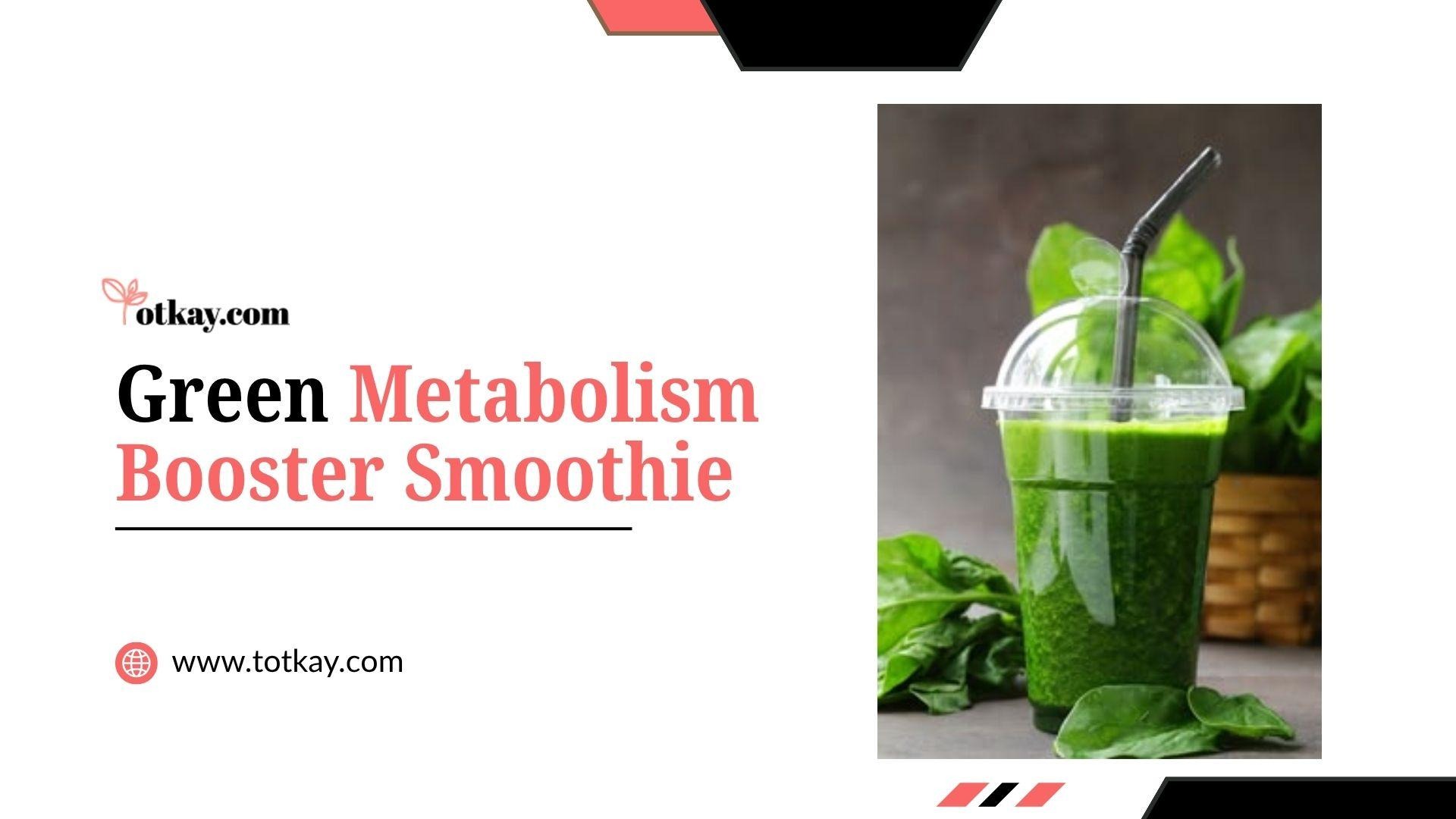
- Ingredients: 1 cup spinach, ½ cucumber, ½ green apple, ½ lemon (juiced), 1 inch fresh ginger, 1 cup water.
- Instructions: Blend spinach and water first to avoid chunks, then add remaining ingredients and blend until smooth.
- Calories: ~120 | Macros: High fiber, low carb.
- Why it works: The ginger aids digestion while the fiber from the apple and spinach promotes fullness.
Berry Protein Fat Burner
- Ingredients: 1 cup mixed frozen berries, ½ cup Greek yogurt, 1 tbsp chia seeds, 1 cup water.
- Instructions: Combine all ingredients and blend on high. Add ice for a thicker texture.
- Calories: ~220 | Macros: High protein, medium fat.
- Why it works: Protein from yogurt and antioxidants from berries make this an ideal post-workout recovery drink.
Tropical Fat-Burn Smoothie
- Ingredients: 1 cup frozen pineapple chunks, ½ cup papaya, 1 cup coconut water, 4 fresh mint leaves.
- Instructions: Blend until creamy. Garnish with a mint leaf.
- Calories: ~180 | Macros: High carb, low fat.
- Why it works: Papaya and pineapple contain enzymes that aid digestion and reduce bloating.
Avocado & Cucumber Detox Smoothie
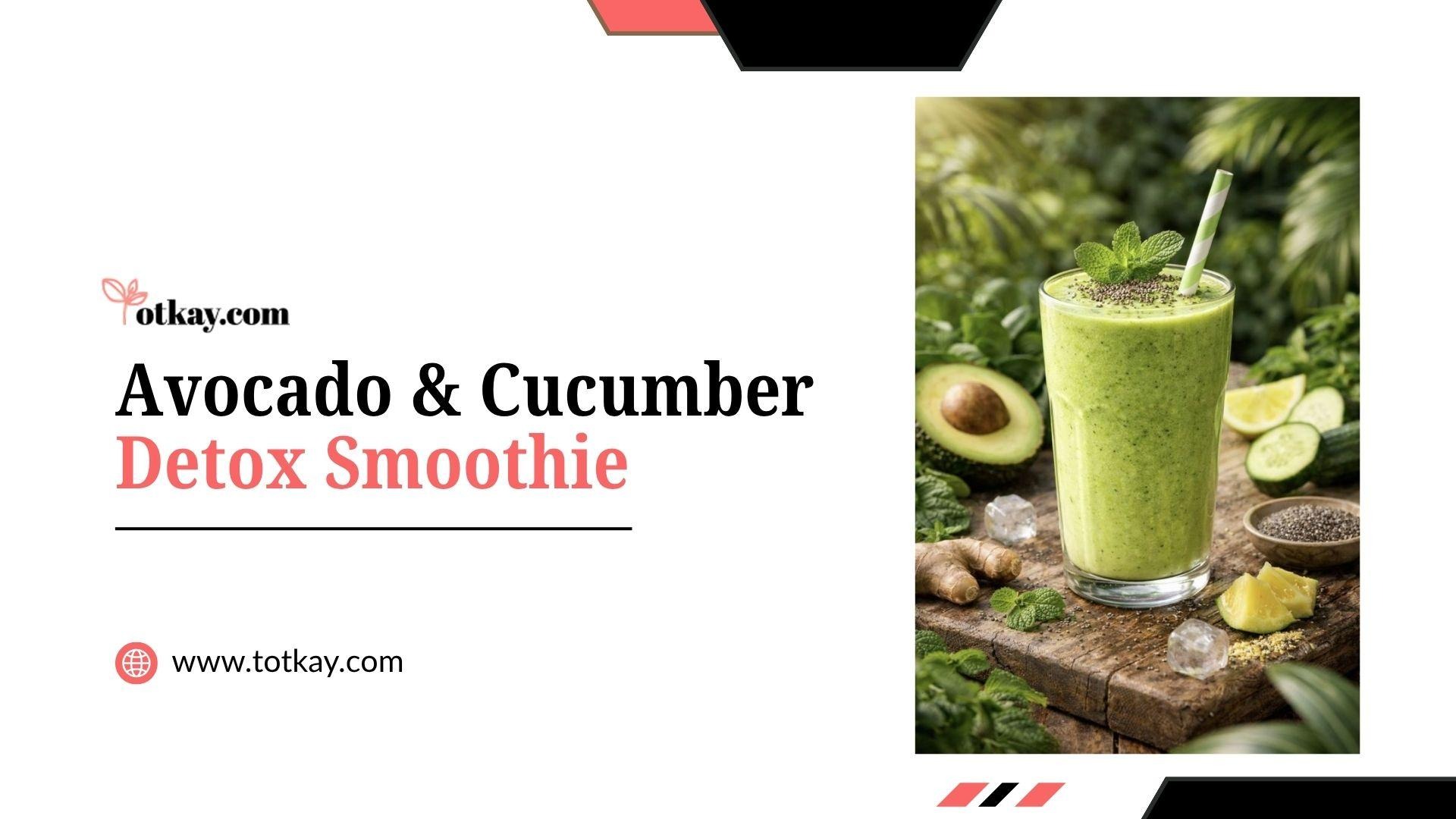
- Ingredients: ½ ripe avocado, ½ cucumber, juice of 1 lime, 1 cup water, optional drizzle of olive oil.
- Instructions: Blend until very smooth. The avocado creates a mousse-like texture.
- Calories: ~250 | Macros: High healthy fat.
- Why it works: Monounsaturated fats keep you satiated, while cucumber provides hydration to flush out toxins.
Cinnamon Banana Control Smoothie
- Ingredients: 1 small banana (frozen), ½ tsp cinnamon, 1 cup unsweetened almond milk, 1 scoop vanilla protein powder.
- Instructions: Blend the almond milk and powder first, then add the banana and cinnamon.
- Calories: ~280 | Macros: High protein, balanced carb.
- Why it works: Cinnamon helps stabilize blood sugar response, preventing the energy crash often associated with bananas.
Iced Matcha Fat Loss Smoothie
- Ingredients: 1 tsp matcha powder, 1 cup spinach, ½ frozen banana, 1 tbsp chia seeds, 1 cup almond milk.
- Instructions: Dissolve matcha in a little warm water first to prevent clumping, then blend with other ingredients.
- Calories: ~210 | Macros: Balanced.
- Why it works: Matcha provides a gentle caffeine boost and antioxidants that support metabolic rate.
Peanut Butter Protein Smoothie
- Ingredients: 1 tbsp natural peanut butter, 1 small banana, 1 scoop chocolate whey or pea protein, 1 cup water.
- Instructions: Blend on high speed. Add ice cubes for a frappe consistency.
- Calories: ~350 | Macros: High protein, high fat.
- Why it works: This is a meal replacement. The combination of fat and protein makes it extremely satiating.
Detox Ginger Lemon Smoothie
- Ingredients: Juice of 1 lemon, 1 inch fresh ginger, 2 cups spinach, 1 cup water, stevia to taste.
- Instructions: Blend thoroughly. This is a thin, juice-like consistency.
- Calories: ~60 | Macros: Low calorie, low carb.
- Why it works: A very low-calorie option that stimulates digestion and wakes up the metabolism.
Apple Cinnamon Breakfast Smoothie
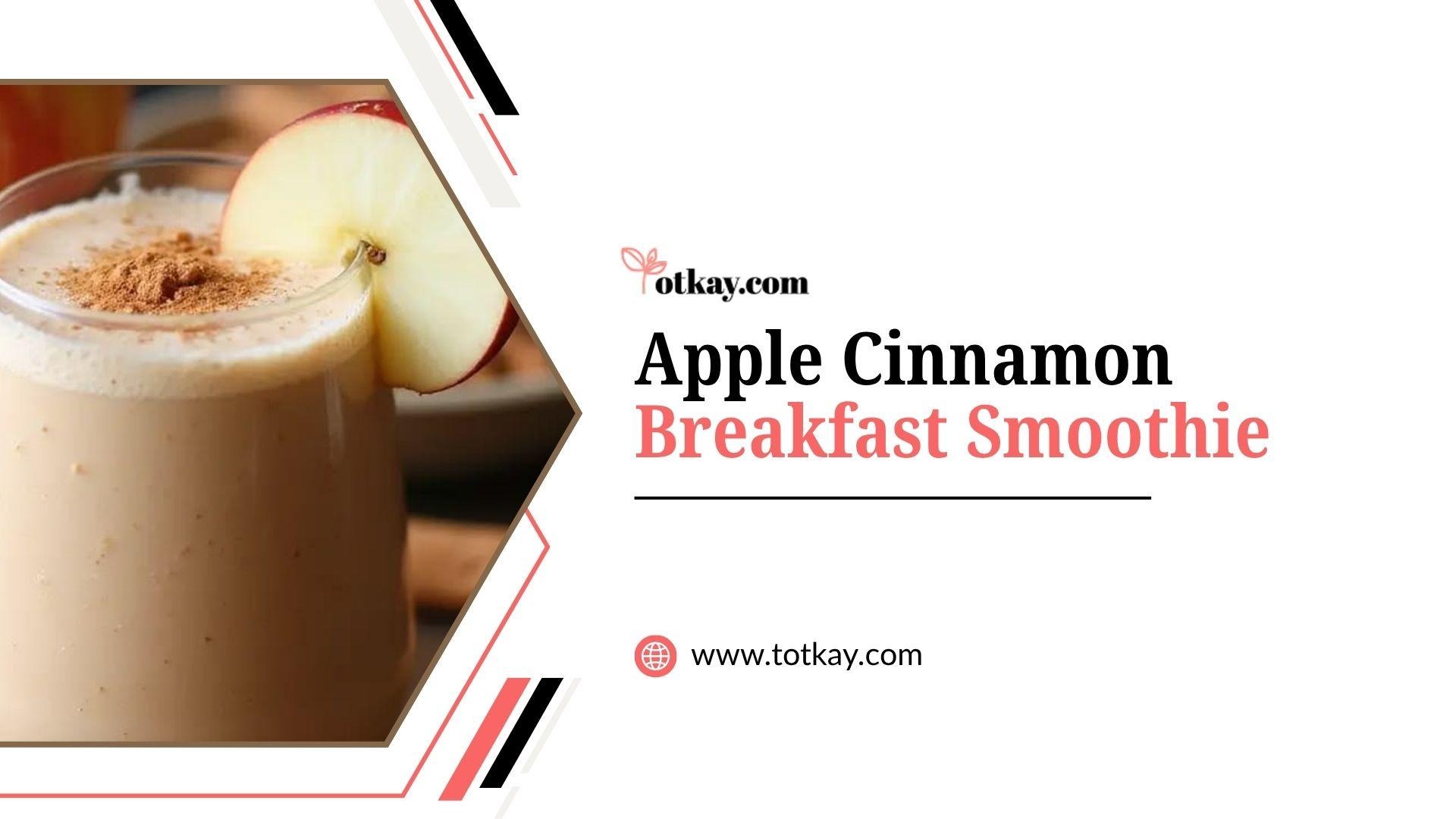
- Ingredients: 1 apple (cored, skin on), ¼ cup rolled oats, ½ tsp cinnamon, ½ cup Greek yogurt, 1 cup water.
- Instructions: Blend longer than usual to ensure the oats break down completely.
- Calories: ~300 | Macros: High fiber, complex carbs.
- Why it works: The oats provide slow-digesting carbohydrates for sustained morning energy.
Chia Pineapple Cleanse Smoothie
- Ingredients: 1 cup frozen pineapple, 2 tbsp chia seeds, 1 cup coconut water.
- Instructions: Blend pineapple and coconut water, then stir in chia seeds (or blend briefly).
- Calories: ~240 | Macros: High fiber, healthy fats.
- Why it works: Chia seeds absorb liquid and expand in the stomach, physically making you feel full.
Smoothie Prep Tips for Best Results
Preparation determines consistency. By streamlining your workflow, you ensure that making a healthy choice is easier than grabbing a processed snack.
Prep Packs Ahead of Time
Place the dry ingredients (fruit, greens, seeds) for each recipe into individual freezer bags or silicone containers. When you are ready to eat, simply dump the contents into the blender, add liquid, and blend.
Use Portion Containers
Measuring ingredients by eye often leads to calorie creep. Use measuring cups or a food scale to ensure you strictly adhere to the recipe, especially for calorie-dense foods like nut butters.
Optimal Blending
To achieve the smoothest texture, add your liquid to the blender first, followed by soft ingredients, and finally frozen items. This prevents the blades from getting stuck and ensures an even consistency.
Portion Control & Serving Sizes
Even healthy food contains calories that add up throughout the day. For example, that handful of almonds you grabbed during a Zoom meeting or the extra drizzle of olive oil on your salad might seem harmless, but can quickly contribute to more calories than your daily total accounts for.
Monitoring how much you consume is just as important as what you consume for effective weight management.
- Ideal Serving Size: For weight loss, stick to a smoothie volume of 12-16 ounces. This keeps it filling without overwhelming your digestive system.
- Limit Calorie-Dense Additions: Nuts, seeds, and oils are nutritious but high in calories. Use just one serving of healthy fat per smoothie, like a tablespoon of peanut butter (avoid overloading with large scoops).
- Be Mindful of Fruit Sugar: While fruit is healthy, it contains fructose. Balance high-sugar fruits like mango or banana with lower-sugar options such as berries or green apples.
- Focus on Nutrient Balance: Combine proteins, healthy fats, and fiber-rich ingredients for a satisfying and nutritious smoothie.
- Avoid Overloading with Extras: Skip adding too many sweeteners, juices, or high-calorie toppings to keep your smoothie light and weight-loss friendly.
Customizing Smoothies for Different Diet Goals
Don’t like some of the ingredients mentioned above? No problem. Smoothies are incredibly versatile and can be customized to fit your specific dietary needs, lifestyle, and taste preferences.
- Vegan Options: Replace Greek yogurt with plant-based alternatives like almond or coconut yogurt. Use pea, rice, or hemp protein powder instead of whey to keep protein content high.
- Low-Carb and Keto: Avoid high-sugar fruits such as bananas and pineapple. Instead, use berries, avocado, spinach, and high-fat liquids like coconut milk to minimize carbs.
- Post-Workout Recovery: To help replenish glycogen stores, slightly increase the carbohydrate content by adding a quarter cup of oats or half a banana.
- Diabetic-Friendly: Prioritize greens and healthy fats while limiting fruit. Stick to berries for fruit and add more fiber with flax or chia seeds to help manage insulin response.
Conclusion
Weight loss smoothies serve as a versatile and efficient tool for managing calorie intake and boosting nutrition. They are not a magic cure, but when used correctly, they simplify the process of maintaining a caloric deficit. By focusing on high-protein, fiber-rich ingredients and avoiding hidden sugars, you can enjoy delicious meals that propel you toward your goals.
Remember that long-term success requires consistency and variety. Incorporate these recipes into a balanced diet, stay active, and monitor your portion sizes. For the most proven and effective tips on portion control, weight loss without exercise, and more, check out totkay.com.
With the right approach, your blender can become your strongest ally in achieving a healthier, leaner body.
Frequently Asked Questions
Are weight loss smoothies healthy?
Yes, when prepared with whole foods, fiber, and protein. They provide concentrated nutrients and hydration, supporting overall health while managing calories.
How many calories should a weight loss smoothie have?\
A meal replacement smoothie should contain between 300 and 400 calories. A snack smoothie should range between 150 and 200 calories.
How often should I drink a smoothie for weight loss?
Most people see success in replacing one meal per day, typically breakfast, with a high-protein smoothie.
What is the best weight loss smoothie for fat burning?
The best weight loss smoothie for fat burning includes high protein, high fiber, and low sugar ingredients. Combine:
- Leafy greens (spinach, kale)
- Low-glycemic fruits (berries)
- Protein source (Greek yogurt, protein powder)
- Healthy fats (chia seeds, flaxseeds)
- Unsweetened almond milk or water
This combination supports satiety, stable blood sugar, metabolism, and reduced cravings, which are key factors in sustainable fat loss.
When should I drink a weight loss smoothie for best results?
Drink a weight loss smoothie as a meal replacement for breakfast or lunch to control calories and improve portion management.
Best timing:
- Morning (to reduce daytime cravings)
- Post-workout (to support muscle recovery and fat metabolism)
Avoid using it as an extra snack unless it fits your daily calorie target.

Hi, I’m a dedicated writer at Totkay.com, passionate about sharing practical tips and solutions to make your life easier. Explore my articles for helpful insights and valuable advice. Stay connected for more expert content!
Related posts:
 Sugar Cravings Remedies: 10 Natural Ways to Stop Sweet Urges
 Portion Control Tips: Master Eating Habits & Lose Weight
 Natural Appetite Suppressants: 7 Safe Ways to Stop Hunger
 Piles Diet Plan: Best Foods for Fast Relief
 Bad Food for Gut Health: Foods That Destroy Digestion
 Anti-Inflammatory Gut Foods: Guide & Desi Healing Tips