
Home Workouts Ayurveda: Balance Energy & Boost Vitality
Meet Sarah, a hardworking professional in the grip of modern life’s constant stresses. She woke up early and pushed through vigorous HIIT sessions, hoping to achieve optimal health. Instead, she ended up exhausted, with dull skin, restless sleep, and lingering brain fog, her “airy” Vata nature overwhelmed by intense cardio.
Everything changed when Sarah embraced home workouts ayurveda. By switching to movements that matched her body’s needs, her energy soared, her skin glowed, and her sleep improved.
Her transformation highlights a crucial shift: true fitness is not about pushing harder, but about moving smarter. In this guide, you will discover how to create an effective, Ayurvedic home workout routine tailored to your unique Dosha, unlocking lasting vitality and well-being, no gym required.
The Story: Why Modern Workouts Are Breaking Us
We live in a culture that shouts “no pain, no gain.” We treat the human body like a machine that needs to be beaten into submission. But Ayurveda offers a different perspective. It views the body as a temple housing your life force, or Prana.
When you ignore your body type and push through fatigue, you disturb your Doshas. For someone with a Vata imbalance like Sarah, intense cardio dries out the tissues and scatters energy. For a fiery Pitta type, it might cause inflammation and irritability.
Home workouts in Ayurveda are not about burning calories. They are about building strength without depleting your reserves. It is an exercise designed to stoke your internal digestive fire (Agni) without burning down the house.
The Mechanics: How Home Workouts Ayurveda Actually Work
So, how does this ancient system differ from your typical fitness routine? It comes down to three core principles that honor the intelligence of the entire body.
The Agni-Movement Connection
In Ayurveda, digestion isn’t just about food. It is about how you process life. Exercise serves to “cook” your digestion. Proper movement stimulates Agni, allowing you to digest nutrients and emotions efficiently. If you over-exercise, you extinguish this fire. If you under-exercise, the fire dies out, leading to Ama (toxins).
The Bal-Ardha Rule: The Secret Sauce
This is the golden rule of Ayurvedic tradition. Bal-Ardha means “half strength.” The ancient texts advise you to exercise only to 50% of your capacity.
How do you know when you have hit 50%?
- Sweat appears on your forehead, nose, and armpits.
- You are breathing slightly harder, but can still maintain a conversation.
- You finish the workout session feeling like you could do more, not less.
This leaves you with more energy for the rest of your day, rather than needing a nap to recover.
Prana Flow: Breathe Life into Your Cells
Modern workouts often encourage mouth breathing. This triggers the sympathetic nervous system’s fight or flight. Ayurvedic workouts prioritize nasal breathing. This filters the air and calms the nervous system. It ensures Prana flows smoothly to every cell, reducing mental fog and stress.
Why It’s Important & What You Need
Adopting an Ayurvedic lifestyle for your workouts does more than build muscle. It prevents the buildup of Ama (toxins) in the body tissues. It balances hormones. It cultivates Ojas, the subtle essence of immunity and vitality.

You don’t need a gym membership. You need a simple, sacred space.
Your Home Workout Toolkit:
- Sadhana Space: A quiet corner dedicated to your practice.
- Natural Mat: Use a Jute or Cotton mat to stay grounded to the earth.
- Copper Vessel: Fill a copper water bottle with room temperature water.
- The Right Timing: Aim for 20–30 minutes during the Kapha window (6 AM – 10 AM). This time of day provides the stability and stamina needed for physical activity.
The Core Strategy: The Home Workouts Ayurveda Table
One size never fits all in Ayurveda. Your routine must match your Dosha.
| Feature | Vata (Air/Space) | Pitta (Fire/Water) | Kapha (Earth/Water) |
| Workout Style | Grounding & Slow | Cooling & Moderate | Intense & Stimulating |
| Top Move | Tree Pose / Slow Squats | Moon Salutations | Mountain Climbers / HIIT |
| Vibe | “Stability” | “Calm Power” | “Ignition” |
| Secret Totkay | Wear warm layers. | Rose water face spritz. | Fast-paced, loud music. |
Vata Dosha
If you have a Vata imbalance (dry skin, anxiety, low stamina), focus on slow, deliberate movements. Avoid fans or wind. You need warmth and stability.
Pitta Dosha
Pitta people tend to overheat. They are competitive. For them, a non-competitive swim or cooling yoga poses work best. Avoid exercising in the hot sun.
Kapha Dosha
Kapha energy can be heavy and sluggish. They need vigorous exercise to wake up the system. They are the only type that thrives on high-intensity sweating to clear congestion and improve circulation.
7 Benefits of Implementing This Routine
Why switch? The benefits extend far beyond the yoga mat.
- Sustainable Energy: You avoid the post-workout crash. You build endurance that lasts all day.
- Glowing Skin: Movement that aligns with your nature detoxes the body from within, often doing more than any skincare routine.
- Better Gut Health: By igniting Agni, you improve nutrient absorption and regulate blood sugar levels.
- Hormonal Balance: This gentle approach is vital for women’s health, particularly for pregnancy care and postpartum recovery.
- Mental Clarity: Correct breathing and movement replace brain fog with Sattva (purity and clarity).
- Injury Prevention: Ayurvedic pre-workout rituals lubricate the joints, protecting muscle groups from strain.
- Natural Weight Management: By balancing Kapha, you target “stubborn” fat naturally without starving the body.
How to Use: Your Step-by-Step Home Ritual
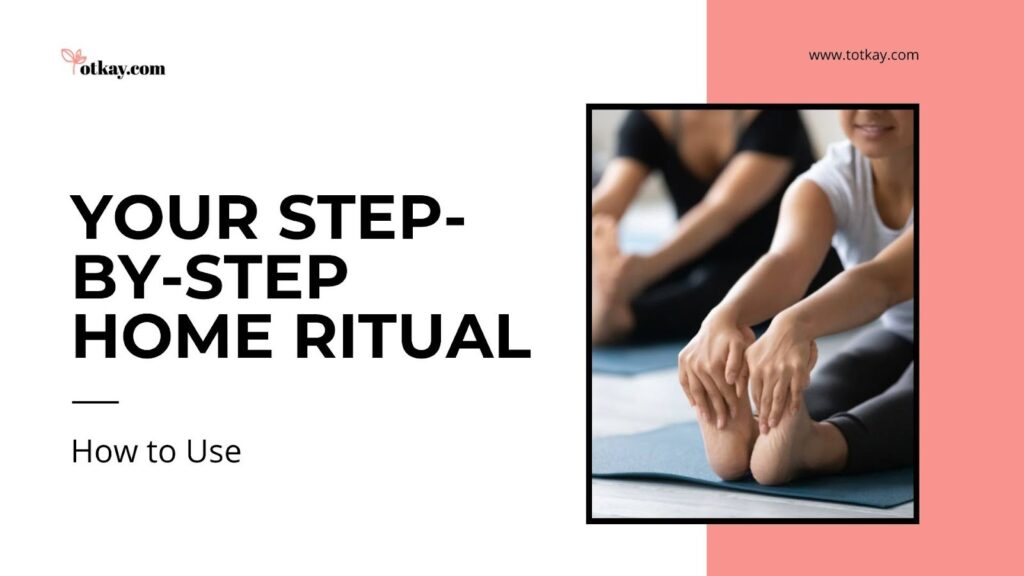
Ready to start? Here is a simple daily routine you can use tomorrow morning.
- Step 1: The Wake-Up
Start your day by drinking warm water from your copper vessel. This flushes the system. - Step 2: The Joint Prep
Before you move, gently massage warm oil (Sesame is great for Vata) onto your knees and ankles. This is a mini-Abhyanga that prevents cracking joints. - Step 3: The Nasya Hack
Put a drop of Ghee or coconut oil in each nostril. This lubricates the nasal passage and clears the path for Prana. - Step 4: The Vyayama
Engage in 20 minutes of your Dosha-specific exercise. Remember the 50% rule! - Step 5: The Seal
Never skip the cool down. Spend 5 minutes in Shavasana (Corpse Pose). This allows the body and mind to integrate the benefits of the movement.
The Secret Vault: 10 Tips No One Else Tells You
Here are the ancient Totkay that make home workouts Ayurveda truly unique.
1. The “Tongue Check.”
Before you lace up your sneakers, look at your tongue in the mirror. Is it coated in white? That is Ama (toxins). If so, reduce your intensity to 10%. Your body is busy cleaning house; do not divert its energy to heavy lifting.
2. The Ghee Shield
Rub a little Ghee on your solar plexus before you start. This acts as a subtle shield, protecting your internal energy during the session.
3. The 100-Step Rule
The workout doesn’t end when you roll up the mat. After your post-workout meal, take exactly 100 slow steps. This practice, called Shatpavali, aids digestion significantly.
4. Avoid the Fan
Never exercise with a fan blowing directly on you. It aggravates Vata and dries out the sweat on your skin too quickly, which stiffens the joints.
5. Saffron Stamina
Add a single strand of saffron to your water bottle. It boosts stamina and mood without the jitters of caffeine.
6. The “Moon Bath.”
If you are a fiery Pitta, try exercising in the evening by a window with moonlight. The moon’s cooling energy balances your internal heat.
7. Shatavari Recovery
Forget synthetic protein shakes. Mix Shatavari powder in warm milk post-workout. It helps repair “Mamsa Dhatu” (muscle tissue) and builds strength deeply.
8. Empty Stomach Logic
Exercise only when your previous meal is fully digested. Wait at least 4 hours after a heavy meal. Exercising on a full stomach confuses the Agni, leading to indigestion.
9. The “No-Ice” Law
Drinking ice-cold water during a workout is considered “Agni-Suicide.” It shocks the digestive fire. Stick to room temperature or warm water to stay hydrated.
10. The Habit-Stack
Multitask your wellness. Do your squats or stretches while your herbal tea (your internal Totkay) is steeping. It builds the habit seamlessly into your life.
Conclusion: Your Home is Your Temple
True fitness is not about how you look in a mirror. It is about how you feel when you wake up, how you digest your food, and how you interact with the world.
By shifting your focus to home workouts ayurveda, you move from burnout to bliss. You stop fighting your body and start listening to it. You cultivate a well-being that radiates from the inside out.
Your home is your temple. Treat your practice with reverence, and your body will reward you with a life of vitality and balance with Totkay.
Are you a Vata, Pitta, or Kapha? Comment below and tell us your body type. I’ll reply with a specific yoga pose tailored just for you!
Frequently Asked Questions (FAQs)
What is Home Workouts Ayurveda?
Home Workouts Ayurveda refers to exercise routines tailored to your Dosha (Vata, Pitta, Kapha) and digestive fire (Agni). It focuses on balancing the body and mind through movements aligned with Ayurvedic principles.
How does Ayurveda improve workout routines?
Ayurveda enhances workout routines by aligning physical activity with your body constitution, improving digestion, circulation, and energy levels while preventing burnout and toxin buildup.
What are the benefits of Ayurvedic home workouts?
Ayurvedic home workouts offer sustainable energy, better digestion, glowing skin, hormonal balance, mental clarity, and natural weight management, all while improving overall well-being.
Which exercises are best for my Dosha?
- Vata: Grounding poses like Tree Pose or slow squats.
- Pitta: Cooling moves like Moon Salutations.
- Kapha: Intense activities like Mountain Climbers or HIIT.
What is the best time for Ayurvedic workouts?
The ideal time is during the Kapha window, between 6 AM and 10 AM, when the body has the most stability and energy for physical activity.

Hi, I’m a dedicated writer at Totkay.com, passionate about sharing practical tips and solutions to make your life easier. Explore my articles for helpful insights and valuable advice. Stay connected for more expert content!