
Allergy Home Remedy Guide: Natural Ways to Relieve Seasonal & Sinus Allergies
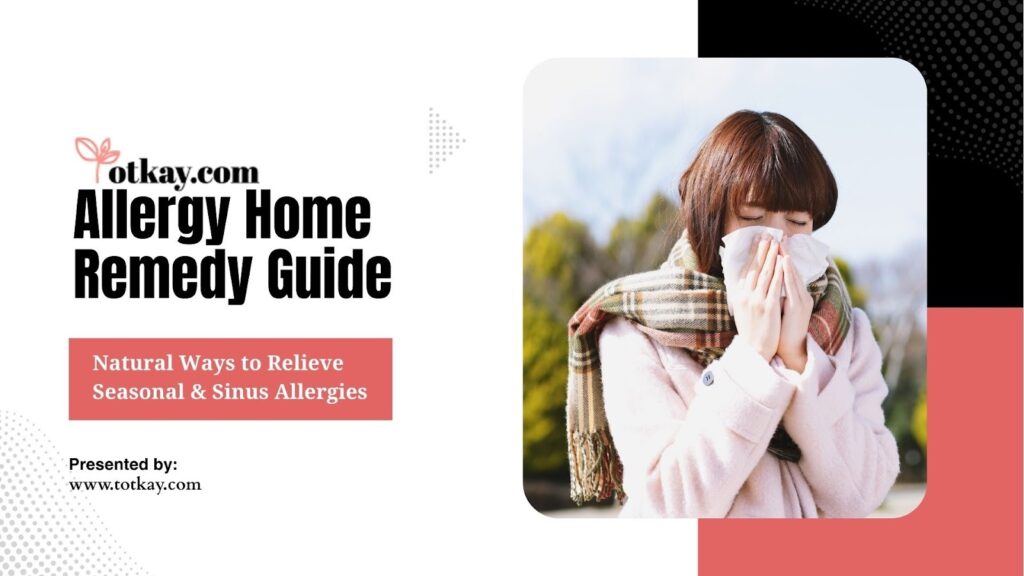
Allergies impact millions globally, causing symptoms like sneezing, itchy eyes, nasal congestion, and even skin reactions. They occur when the immune system overreacts to harmless substances like pollen, dust, pet dander, or certain foods. While medications like antihistamines provide relief, many seek allergy relief naturally through supportive measures at home.
An allergy home remedy approach can help reduce symptoms, support the immune system, and minimize exposure to triggers. This guide covers effective herbal anti-allergy tips, practical lifestyle changes, and sinus allergy remedies to manage discomfort.
These natural methods complement medical treatments but don’t replace them, especially for severe cases. Learn how to breathe easier and feel better by integrating these strategies safely.
How Allergies Work — Immune Response Simplified
Understanding the mechanics of an allergic reaction helps clarify why certain remedies work. When you encounter an allergen—whether pollen, dust mites, mold, or pet dander—your immune system mistakenly identifies it as dangerous. In response, it produces antibodies called Immunoglobulin E (IgE), which trigger the release of histamine and other inflammatory chemicals from mast cells.
Here’s how that process unfolds:
- Histamine Release: This chemical is the main culprit behind most allergy symptoms.
- Blood Vessel Expansion: Histamine causes blood vessels to widen, which leads to redness and swelling.
- Increased Mucus: It ramps up mucus production in your nose and airways, causing congestion and a runny nose.
- Nerve Stimulation: It also irritates nerve endings, triggering itching and sneezing.
- Inflammation: This process worsens the symptoms, contributing to sinus pressure, headaches, and general discomfort.
Symptoms can differ greatly depending on your genetics, environment, and immune health. Some people might only get mild seasonal allergies from pollen, while others struggle year-round with indoor allergens like dust mites. The first step to finding relief is to identify your specific triggers.
Common Allergy Triggers at Home and Outdoors
Identifying and reducing exposure to allergens is one of the most effective natural defenses against allergy symptoms. Here are the most common culprits:
- Pollen is a leading cause of seasonal allergies, also known as hay fever. Trees, grasses, and weeds release pollen into the air during specific times of the year, triggering sneezing, itchy eyes, and nasal congestion. Peak pollen seasons vary by region and climate.
- Dust mites thrive in warm, humid environments and are commonly found in bedding, upholstered furniture, and carpets. These microscopic organisms feed on dead skin cells and produce waste particles that become airborne and trigger allergic reactions.
- Pet dander consists of tiny flakes of skin shed by cats, dogs, and other furry animals. Even if you do not have a pet, dander can cling to clothing and travel into your home from other locations.
- Mold spores grow in damp, poorly ventilated areas such as bathrooms, basements, and kitchens. Mold releases spores into the air, which can cause respiratory symptoms and exacerbate asthma.
- Food allergens such as nuts, dairy, eggs, and shellfish can also trigger immune responses, though food allergies typically cause different symptoms than environmental allergies.
Reducing exposure to these triggers is a foundational allergy home remedy strategy. Simple changes like keeping windows closed during high pollen counts, using allergen-proof bedding covers, and maintaining low indoor humidity can significantly reduce symptom severity.
Natural Remedies That Provide Allergy Relief Naturally

Saline Nasal Rinse
A saline nasal rinse is one of the most effective ways to flush allergens, mucus, and irritants from the nasal passages. This method reduces congestion, improves breathing, and decreases sinus pressure.
- Dissolve 1/2 teaspoon of non-iodized salt in 8 ounces of distilled or boiled water to make a saline solution.
- Use a neti pot, squeeze bottle, or nasal spray to apply the solution.
- Rinse each nostril once or twice daily, particularly after spending time outdoors.
Steam Inhalation
Inhaling warm steam helps open nasal passages, loosen mucus, and provide immediate relief from congestion. Fill a bowl with hot (not boiling) water, lean over it with a towel draped over your head, and breathe deeply for five to ten minutes.
Adding a few drops of eucalyptus or peppermint essential oil can enhance the effect, but use caution with essential oils and ensure proper dilution.
Local Raw Honey
Consuming local raw honey is thought to help your body get used to local pollen, potentially reducing your immune response over time. While scientific backing is minimal, many find it helps ease their hay fever symptoms.
- Take one to two teaspoons of local raw honey daily.
- It is most effective when consumed regularly throughout allergy season.
Apple Cider Vinegar
Apple cider vinegar is a popular home remedy believed to help break up mucus and support lymphatic drainage, offering relief from sinus congestion. Its anti-inflammatory properties may also help calm the body’s overactive response to allergens.
- Mix one to two tablespoons of raw, unfiltered apple cider vinegar into a glass of warm water.
- Add a teaspoon of local raw honey to improve the taste and add extra allergy-fighting benefits.
- Drink this mixture once or twice daily, especially during allergy flare-ups.
Quercetin-Rich Foods
Quercetin is a powerful natural flavonoid with antihistamine and anti-inflammatory properties, making it an excellent addition to your diet for allergy relief. It works by helping to reduce histamine release, which can calm your hay fever symptoms.
- What to eat: Incorporate quercetin-rich foods like onions, apples, berries, green tea, and citrus fruits into your daily meals.
- How to consume: Enjoy these foods raw or cooked. Try adding berries to your breakfast, an apple for a snack, or drinking a cup of green tea in the afternoon.
Herbal Anti-Allergy Tips

Certain herbs have been used for centuries to support respiratory health and reduce allergic reactions. While these herbal anti-allergy tips can be helpful, they should be used with caution and not replace prescribed medications.
Turmeric & Curcumin
Turmeric contains curcumin, a compound known for its potent anti-inflammatory effects. Curcumin may help reduce the inflammatory response associated with allergies.
Add turmeric powder to warm milk or tea, or take a curcumin supplement as directed. Combine with black pepper to enhance absorption.
Ginger
Ginger is another powerful anti-inflammatory herb that can help soothe respiratory discomfort. Fresh ginger can be steeped in hot water to make a soothing tea. Drink two to three cups daily during allergy season.
Peppermint & Eucalyptus
Peppermint and eucalyptus both contain menthol, a natural decongestant that can help clear nasal passages and relieve sinus pressure. Inhaling their aroma or drinking them as a tea can provide immediate relief from congestion.
Here’s how to use them:
- Steam Inhalation: Add a few drops of peppermint or eucalyptus oil to a bowl of hot water and inhale the steam.
- Tea: Enjoy a cup of peppermint tea to soothe nasal congestion and sinus pressure.
Nettle Leaf
Nettle leaf is a go-to herb for taming seasonal allergies, known for its ability to support immune health and naturally reduce the body’s histamine response. This can lead to less sneezing, itching, and overall discomfort during high-pollen seasons.
Here’s how you can use it:
- Tea: Drink one to two cups of nettle tea daily.
- Supplements: Also available as a capsule or tincture for a more concentrated dose.
- Consultation: Always speak with a healthcare provider before starting, especially if you are on blood pressure or blood-thinning medications.
Butterbur
Butterbur extract has been shown to effectively reduce hay fever symptoms, providing relief for those struggling with seasonal allergies. Its natural anti-inflammatory properties make it a promising alternative for managing allergy discomfort.
Here’s how to use butterbur safely:
- Always choose PA-free (pyrrolizidine alkaloid-free) extracts to avoid liver toxicity.
- Consult a healthcare professional before use, especially if you have underlying health conditions or are taking other medications.
- Follow the dosage instructions provided on the product label or as recommended by your doctor.
Safety Notes:
- Always research potential herb interactions with medications. Do not rely solely on herbal remedies if your symptoms are severe or worsening.
- Pregnant or breastfeeding individuals and those with chronic health conditions should consult a doctor before using herbal supplements.
Dietary & Lifestyle Practices That Support Allergy Relief
Your diet and daily habits play a significant role in how your body responds to allergens. Incorporating an effective allergy home remedy into your routine, along with intentional lifestyle changes, can help reduce inflammation and support overall immune function.
Anti-Inflammatory Diet
Chronic inflammation worsens allergy symptoms. An anti-inflammatory diet emphasizes whole, nutrient-dense foods while minimizing processed items. Focus on foods rich in omega-3 fatty acids, such as salmon, flaxseeds, chia seeds, and walnuts.
These fats help regulate immune responses and reduce inflammation. Avoid excessive sugar, refined carbohydrates, and trans fats, which can promote inflammatory pathways.
Hydration & Warm Liquids
Staying well-hydrated helps thin mucus and supports sinus drainage. Drinking warm liquids like herbal teas, broths, and warm lemon water can soothe irritated airways and provide comfort during allergy flare-ups.
Local Allergen Avoidance
To minimize your contact with outdoor allergens, it’s essential to create a protective barrier between you and the environment, especially during high pollen seasons. Implementing a few simple habits can significantly reduce the amount of pollen you bring into your home and come in contact with.
- Keep windows closed during peak pollen times, which are typically early mornings and on windy days.
- Shower and change your clothes after being outdoors to wash away pollen from your skin and hair.
- Change HVAC filters regularly, and consider using high-efficiency filters designed to capture smaller allergen particles.
- Vacuum frequently using a vacuum with a HEPA filter to reduce allergens trapped in carpets and rugs.
Clean Bedding Strategies
Dust mites thrive in bedding, so washing sheets, pillowcases, and blankets in hot water weekly is essential. Use allergen-proof covers on pillows and mattresses to create a barrier against dust mites. Avoid down-filled bedding if you are sensitive to dust or feathers.
Indoor Air Quality Improvements
Improving indoor air quality is crucial for reducing sinus irritation, as airborne allergens can be a constant trigger. By taking proactive steps to filter the air and minimize allergen-trapping surfaces, you can create a healthier, more breathable home environment.
- Use an air purifier: A high-quality HEPA air purifier can capture airborne allergens like pollen, dust, pet dander, and mold spores. Place them in bedrooms and common living areas for the best results.
- Reduce carpeting: Carpets are notorious for trapping allergens. Whenever possible, opt for hard surfaces like hardwood, tile, or laminate flooring, which are much easier to keep clean.
- Wash bedding regularly: Wash your sheets, pillowcases, and blankets in hot water weekly to remove dust mites and other allergens.
Breathing Exercises and Physical Techniques for Sinus Relief
Controlled breathing techniques can help open nasal passages, reduce stress, and improve oxygen flow. These practices are simple, free, and can be done anywhere.
Pursed-Lip Breathing
This technique slows your breathing rate and helps keep your airways open longer. Inhale slowly through your nose for two counts, then exhale gently through pursed lips for four counts. Repeat for several minutes to ease congestion and promote relaxation.
Safety Precautions and When to Seek Medical Help
While an allergy home remedy can provide significant relief, it is not a substitute for professional medical treatment. It’s important to recognize when symptoms require expert attention.
Seek medical help if you experience any of the following:
- Difficulty breathing, wheezing, or chest tightness
- Severe sinus pain, high fever, or facial swelling
- Symptoms that do not improve with home remedies after several days
- Signs of infection, such as thick, discolored nasal discharge
- Worsening asthma symptoms or new respiratory issues
Special Considerations:
Children and elderly individuals may be more sensitive to certain remedies and allergens. Always consult a pediatrician or geriatric specialist before introducing new treatments.
Pregnant or breastfeeding individuals should avoid certain herbs and supplements without medical guidance, as some can affect fetal development or pass into breast milk.
If you take prescription medications—especially antihistamines, asthma medications, or blood thinners—consult your doctor before using herbal remedies to avoid adverse interactions.
Final Thoughts
Managing allergies does not require complete reliance on medications. By incorporating proven allergy home remedy strategies into your daily routine, you can reduce symptoms, support your immune system, and improve your quality of life. From saline rinses and steam inhalation to anti-inflammatory diets and herbal anti-allergy tips, these natural approaches offer real relief when used consistently and thoughtfully.
Remember that allergy relief naturally works best when combined with lifestyle adjustments and trigger avoidance. Keep your living space clean, invest in air purifiers, wash bedding regularly, and monitor pollen counts to minimize exposure. Use sinus allergy remedies like breathing exercises and warm liquids to ease congestion and support respiratory health.
Ready to explore more expert-backed tips and transform your approach to wellness? Visit totkay.com today and unlock a healthier, allergy-free life
Frequently Asked Questions
What is the most effective home remedy for allergies?
The most effective allergy home remedy varies by individual, but saline nasal rinses are widely recognized for their ability to flush allergens and reduce nasal congestion. Combining multiple strategies—such as dietary changes, herbal support, and allergen avoidance—typically yields the best results.
Can natural remedies reduce hay fever symptoms?
Yes, several natural approaches can help reduce hay fever symptoms. Hay fever home remedies like local raw honey, quercetin-rich foods, steam inhalation, and nettle leaf tea may provide relief by supporting immune function and reducing inflammation.
Should I stop medication if using home remedies?
No, you should not stop prescribed medications without consulting your healthcare provider. Natural remedies are meant to complement, not replace, medical treatment. If you wish to reduce medication use, discuss it with your doctor first.
Are allergy teas safe for children?
Some herbal teas are safe for children in appropriate doses, but others are not. Always consult a pediatrician before giving herbal teas or supplements to children. Stick to mild options like chamomile or ginger tea, and avoid strong herbs like nettle or butterbur without medical approval.

Hi, I’m a dedicated writer at Totkay.com, passionate about sharing practical tips and solutions to make your life easier. Explore my articles for helpful insights and valuable advice. Stay connected for more expert content!
Related posts:
 Severe Period Pain on First-Day Home Remedies
 Dant Dard Ka Fori Ilaj in Urdu
 Khiray ke Pani kay Fawaid
 Coconut Oil Best Use: Dry Skin and Hair Treatments – The Ultimate Guide by Dr. Nimra Chohan, Founder of Totkay.com
 Natural Detox Remedies: 10 Proven Paths to Wellness
 From Panic to Peace: 2026 Guide to anxiety home remedy